Top Benefits of Fotona 4D Laser Facial (TimeWalker) in Encino, CA
@emiliospwg097
October 22, 2026 · 15 min read
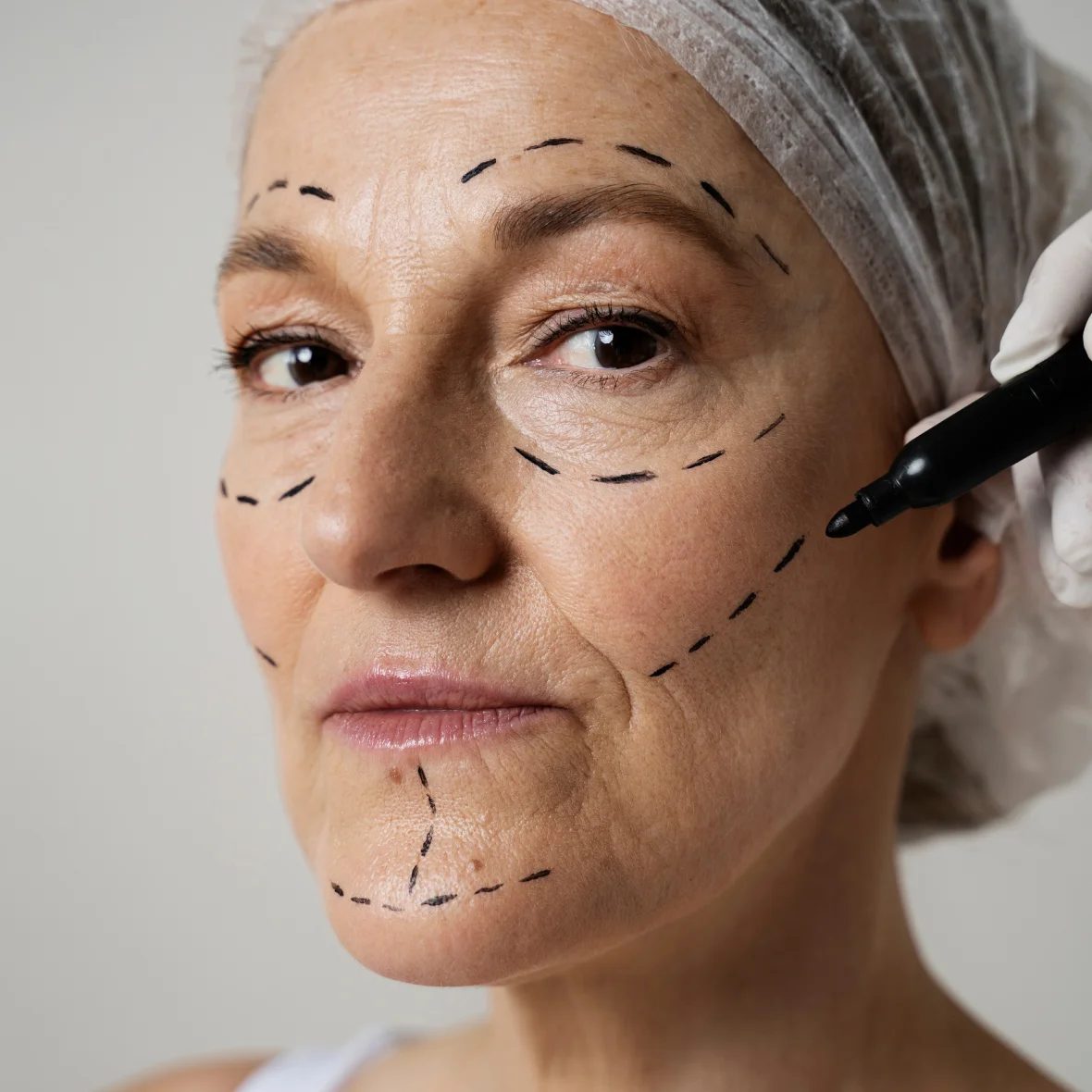
The appeal of a treatment like the Fotona 4D Laser Facial is easy to understand once you see what most patients are actually asking for. They do not want to look surgically altered. They do not want a week of hiding at home. They do not want skin that looks polished in one kind of light and overtreated in another. What they want is firmer skin, a smoother surface, better texture around the eyes and mouth, and a fresher overall look that still reads as their own face.
That is where Fotona 4D has earned real interest. The treatment, often performed on the TimeWalker platform, is designed to address several layers of facial aging in one session. Instead of treating the skin as a single flat surface, it combines different laser modes to work inside the mouth, across deeper tissue, and over the outer skin. In practice, that means it can target laxity, etched lines, dullness, and texture in a more layered way than a basic single pass facial laser.
For people looking into a Fotona 4D Laser Facial (TimeWalker) in Encino, CA, the setting matters too. Encino patients often want results that fit a busy, visible lifestyle. School events, client meetings, dinners, camera-ready weekends, and year-round sun exposure all shape what people can realistically commit to. Treatments that offer visible improvement without the social downtime of more aggressive procedures tend to attract a lot of attention here, especially among patients who want prevention and correction at the same time.
Why Fotona 4D feels different from many “laser facials”
A lot of treatments get marketed under the phrase “laser facial,” but they are not interchangeable. Some are mainly surface treatments. Some are light peels in laser form. Some are excellent for pigment but do little for laxity. The reason Fotona 4D stands apart is that it is built as a multi-dimensional treatment rather than a one-note pass over the skin.
The “4D” concept refers to four distinct steps that can be used to rejuvenate from inside and outside the mouth, along with deeper and superficial skin treatment. The exact protocol can vary by provider and patient needs, but the general goal is to stimulate collagen, improve skin texture, support tightening, and soften areas that tend to show age first, especially the lower face, cheeks, jawline, under-eyes, and around the mouth.
That layered approach matters because facial aging is layered. Fine lines on the surface are only part of the story. Skin also loses support, elasticity, and density beneath the surface. If you only polish the top layer, you may get a temporary glow without much meaningful structural change. If you only heat the deeper tissue, you may improve laxity but still see rough texture or creasing. A treatment that addresses more than one level tends to create a more balanced result.
A non-surgical option for skin tightening
One of the biggest benefits people notice with Fotona 4D is gradual tightening without surgery. It is not a facelift, and any ethical provider will say that plainly. If someone has significant jowling or a heavy neck, surgery may still produce the strongest result. But there is a wide middle ground between doing nothing and going to the operating room, and this is where Fotona 4D can be particularly useful.
Patients in their thirties and forties often use it as an early intervention. They are not trying to reverse advanced aging. They are trying to stay ahead of visible laxity. In that group, even modest tightening along the cheeks, jawline, and lower face can make the whole face look more rested. Patients in their fifties and sixties may use it differently, either as a way to improve tone without surgery or as part of a larger maintenance plan alongside injectables, skincare, or other energy-based treatments.
The improvement is usually not overnight. Collagen remodeling takes time. Many people begin to notice a fresher look in the first several weeks, with continued change over a few months. That delayed payoff can actually be a positive. Rather than walking into work with a dramatic, obvious change, patients often hear comments like “you look better” or “you look rested,” which is often the ideal outcome.
It treats the inside of the mouth, which is more important than it sounds
One of the most distinctive aspects of Fotona 4D is the intraoral step. That means part of the treatment is delivered from inside the mouth to target tissue around the nasolabial folds and perioral area. This tends to surprise first-time patients, but it is one of the reasons the treatment has developed a loyal following.
Around the mouth, aging becomes visible in a few stubborn ways. The upper lip can look thinner. Smile lines can deepen. The area can lose support and start to look a bit collapsed, even when the skin itself is in decent condition. Working from inside the oral cavity gives providers another way to reach tissue that is difficult to address with surface treatment alone.
This can be especially attractive to patients who want improvement around the mouth but are not ready for filler, do not want more filler, or have reached the point where filler alone is not giving a natural result. It is not a substitute for every injectable approach, but it can be a valuable alternative or complement, depending on anatomy.
Texture and radiance often improve along with firmness
Skin texture is where many people first fall in love with laser treatments. Tightening is valuable, but smoother, brighter, more even skin is what patients often notice in the mirror every morning. The resurfacing component of Fotona 4D can help soften roughness, reduce the look of enlarged pores, and improve the crepey quality that sometimes develops under the eyes or around the cheeks.
For Encino residents, that matters because Southern California light is unforgiving. Natural daylight, patio dinners, car windows, and phone cameras reveal texture quickly. Skin that looked fine under indoor lighting can suddenly show roughness, dehydration lines, and loss of clarity outdoors. A treatment that improves the way skin reflects light often makes the face appear healthier, even before deeper collagen changes fully develop.
This is also why patients who say they “just want glow” sometimes end up choosing a more substantive treatment plan. Glow is rarely only about brightness. It is often about smoother skin, less congestion, more even texture, and stronger tissue support. When those improve together, the face catches light differently.
Downtime is usually manageable for busy schedules
Another major benefit is the relatively manageable recovery profile, especially compared with more aggressive ablative resurfacing or surgery. That does not mean no downtime at all. Depending on how the treatment is customized, patients may look pink, feel warm, or notice mild swelling afterward. Some have a rough, dry, or bronzed feeling in the following days. But for many people, the recovery is easier to fit into normal life than they initially expected.
That is one reason this treatment works well for professionals, parents, and anyone who cannot disappear for a week or two. In a place like Encino, where social and professional calendars stay full year-round, a treatment that can deliver meaningful skin improvement without a long shutdown is genuinely practical.
That said, “minimal downtime” should never be interpreted as “book it the day before a major event.” Skin can react unpredictably. If someone has a wedding, reunion, photo shoot, or speaking engagement, it is smarter to schedule with cushion. Experienced practices usually advise planning ahead rather than squeezing treatment into the last possible minute.
It can be tailored to different ages and concerns
One reason providers continue to recommend Fotona 4D is that it is flexible. A patient in her mid-thirties with early under-eye crepiness and mild smile line formation has different goals than a patient in his sixties with more established laxity and textural damage. The treatment can often be adjusted in intensity and focus based on the patient’s starting point.
This versatility matters because not every aging face follows the same pattern. Some people lose firmness first. Others show textural wear from sun exposure. Others mainly notice the mouth area aging faster than the rest of the face. A treatment that can be customized tends to serve a broader range of patients without feeling generic.
The best candidates often include people who want:
- Mild to moderate skin laxity improvement without surgery
- Softer lines around the mouth, eyes, or cheeks
- Better texture, tone, and overall skin quality
- A treatment plan that can fit a working schedule
- Gradual, natural-looking change rather than abrupt transformation
A consultation still matters. Rosacea-prone skin, active breakouts, melasma history, recent sun exposure, and certain medications can all affect timing and settings. Laser treatment is never one-size-fits-all, no matter how polished the marketing sounds.
Natural-looking results tend to age well
This is the benefit many patients appreciate more after six months than after six days. Fotona 4D usually does not create a frozen, overfilled, or sharply altered look. Instead, it tends to improve skin behavior. The face looks smoother, a bit firmer, and more refreshed. The effect is often easier to maintain and blend into a broader long-term aesthetic plan.
That matters because aesthetic treatments rarely exist in isolation. People change hairstyles. Lose weight. Gain stress. Spend more time in the sun one summer than another. A treatment that improves the baseline quality of the skin tends to complement everything else better than a result that looks isolated or exaggerated.
In practice, that natural quality also means fewer awkward social questions. Most patients do not want coworkers trying to decode what was done. They want the kind of result that reads as good sleep, better skincare, or maybe a very flattering month.
It can complement injectables rather than compete with them
A common misconception is that laser treatments and injectables are alternatives in every case. Sometimes they are. Often they are not. Botox-type treatments help with dynamic lines caused by muscle movement. Fillers can restore volume or contour in selected areas. Laser-based rejuvenation improves the skin itself and may support mild tightening. These categories overlap, but they do different jobs.
In a thoughtful treatment plan, Fotona 4D may reduce the amount of filler a patient feels they need, particularly when the issue is not just volume loss but declining skin support and texture. For some patients, that is a major advantage. There is a growing group of people who want to avoid looking puffy or overdone and are actively asking for skin-based approaches before adding more volume.
At the same time, it is important not to oversell laser treatment as a replacement for every other modality. Deep folds, substantial hollowing, or stronger dynamic wrinkles may still respond best to other treatments. The most credible providers explain where Fotona 4D shines and where it does not.
Encino’s climate makes collagen-focused treatments especially relevant
Encino offers abundant sunshine, which is great for lifestyle and not always great for skin. UV exposure remains one of the most significant contributors to visible aging. Even patients who are diligent with sunscreen often accumulate years of incidental sun from driving, walking the dog, sitting near windows, playing tennis, or grabbing lunch outdoors.
That kind of chronic exposure gradually affects texture, elasticity, and tone. It may not produce dramatic sun damage right away, but it often shows up as a persistent dullness, finer crinkling under the eyes, roughness across the cheeks, or an overall thinning quality to the skin. Treatments that support collagen remodeling while improving the skin’s surface can be especially valuable in this environment.
The caveat is obvious but worth stating. Laser treatments and sun neglect do not mix well. Patients who invest in rejuvenation and then return to inconsistent UV protection usually shorten the life of their results. In Encino, hats, shade habits, and daily sunscreen are not optional extras if the goal is maintenance.
What the treatment experience is usually like
Patients often arrive nervous about pain and leave saying it was more tolerable than expected. Sensation depends on settings, skin sensitivity, and the specific step being performed, but most describe warmth, prickling, and short bursts of heat rather than severe pain. The intraoral component feels unusual more than painful. The surface passes can feel hotter, particularly in thinner-skinned areas, but providers typically manage comfort carefully.
A full appointment may take around an hour, sometimes longer depending on the protocol and whether additional care is included. Numbing may or may not be used, depending on the treatment plan. Afterward, the skin may look flushed, similar to a strong workout or mild sun exposure, and that redness can settle over hours to a couple of days.
People often ask whether one treatment is enough. The honest answer is that it depends. Some patients do notice worthwhile improvement after a single session. Others get the best outcome Fotona 4D Laser Facial (TimeWalker) Encino, CA OMNIA Wellness Center from a series, especially when they Fotona 4D Laser Facial (TimeWalker) Encino, CA are trying to address texture, early laxity, and perioral aging together. Maintenance also matters. Collagen stimulation helps, but the face keeps aging, and lifestyle keeps leaving its mark.
Smart preparation and aftercare make a difference
One of the easiest ways to improve the treatment experience is to respect the pre and post-care instructions. Many mediocre outcomes are not really treatment failures. They are timing issues, avoidable irritation, or sun-related setbacks.
A practical patient plan usually includes:
- Avoiding active sunburn or recent heavy sun exposure before treatment
- Pausing irritating skincare if the provider recommends it, especially retinoids or strong acids
- Keeping the skin calm, hydrated, and protected afterward
- Using daily broad-spectrum sunscreen consistently
- Giving the skin time before major events, rather than treating at the last minute
These are not glamorous steps, but they matter. In my experience, the patients who protect their barrier and take sun avoidance seriously are usually the ones happiest with both their healing and their final result.
The trade-offs deserve an honest look
No worthwhile cosmetic treatment is perfect for everyone, and Fotona 4D is no exception. The most obvious limitation is that results are usually meaningful but not surgical. If someone expects a dramatic lift in the lower face, they may be disappointed unless expectations are framed well from the beginning.
Cost is another practical factor. Multi-step laser treatments are an investment, particularly if a series is recommended. Patients should know what they are paying for, how many sessions may be needed, and what maintenance might look like over time. A lower upfront treatment that does very little is not actually a bargain, but neither is a premium treatment sold without a realistic discussion of likely benefit.
There is also the issue of operator skill. Devices matter, but the person using them matters more. Laser settings, patient selection, treatment spacing, and the ability to combine modalities appropriately all influence results and safety. This is one reason choosing an experienced practice in Encino matters at least as much as choosing the name of the laser itself.
Lastly, results are gradual. Some patients love that. Others struggle with it, especially if they are used to the immediate visual payoff of filler. Patience is part of the process. The benefit is that the improvement can look more believable and less artificial, but it does ask for a different mindset.
How to tell if it is the right fit for you
If you are considering a Fotona 4D Laser Facial (TimeWalker) in Encino, CA, the right question is not simply “does it work?” The better question is “does it match my goals, skin, timeline, and tolerance for recovery?” For the right candidate, it can be one of the more satisfying non-surgical options because it addresses several common concerns at once and does so in a way that tends to preserve a natural look.
It is especially appealing for patients who are starting to notice that skincare alone is no longer enough, but who are not interested in surgery or heavy-handed correction. It also suits people who value skin quality as much as they value wrinkle reduction. That distinction matters. Better skin quality changes the whole impression of the face.
A good consultation should leave you with a clear picture of what the treatment can improve, what it probably will not, how many sessions may be reasonable, and how it compares with alternatives. When that conversation is honest, patients usually know fairly quickly whether this is the right lane for them.
For many in Encino, the strongest benefit of Fotona 4D is not just one thing. It is the combination of tightening, smoothing, brightening, and subtle rejuvenation in a treatment that can fit modern life. That balance, visible change without a drastic look or prolonged downtime, is exactly why it continues to attract attention.
OMNIA Wellness Center
16430 Ventura Blvd Ste 207, Encino, CA 91436
Phone: +1 818-386-8511
FAQ About Fotona 4D Laser Facial (TimeWalker) Encino, CA
What is a Fotona laser good for?
Fotona lasers support several different aesthetic protocols. The Fotona 4D facial uses two wavelengths and four treatment modes to address concerns such as fine lines, skin texture, and mild laxity. OMNIA Wellness Center offers the TimeWalker facial with an individual consultation. Suitability and likely improvement depend on the person's skin and goals; results are not guaranteed, and this treatment does not reproduce a surgical facelift.
How much does a Fotona laser treatment cost?
The cost depends on the treatment protocol, areas treated, number of sessions, and provider's assessment. Ask OMNIA Wellness Center for a current written quote that explains what is included, whether follow-up is included, and any proposed package terms. An individualized estimate is more useful than assuming that one advertised price applies to every facial treatment.
How much downtime is there after a Fotona laser procedure?
Recovery varies with the specific protocol and intensity. Fotona describes its 4D facial as having little to no downtime, but temporary redness or sensitivity can occur, and a stronger surface treatment can require more recovery. Ask the treating clinician what to expect from the planned settings, how to care for the skin afterward, and when to contact the clinic with concerns.