How Fotona 4D Laser Facial (TimeWalker) Supports Collagen Renewal in Encino, CA
@emiliospwg097
October 22, 2026 · 16 min read
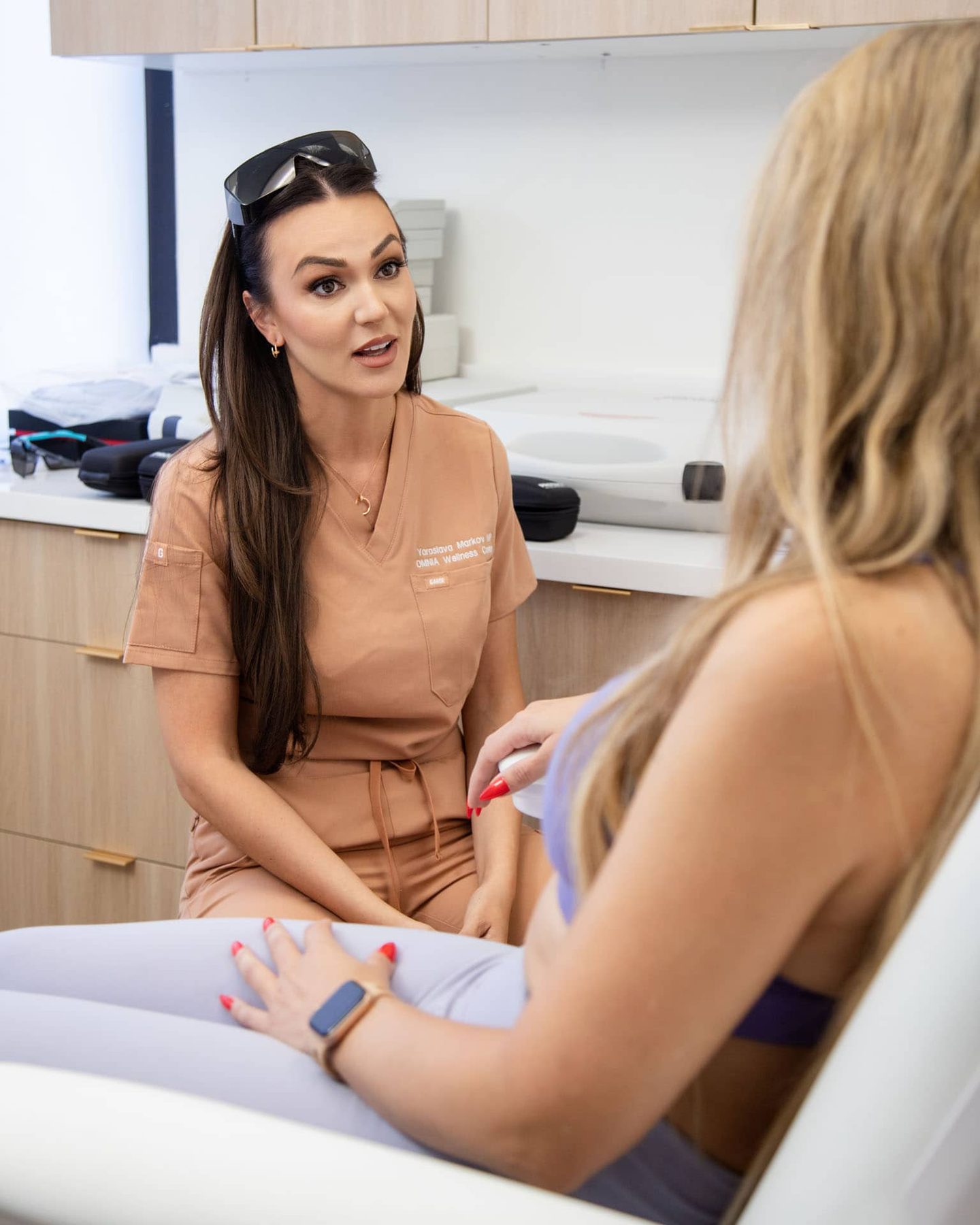
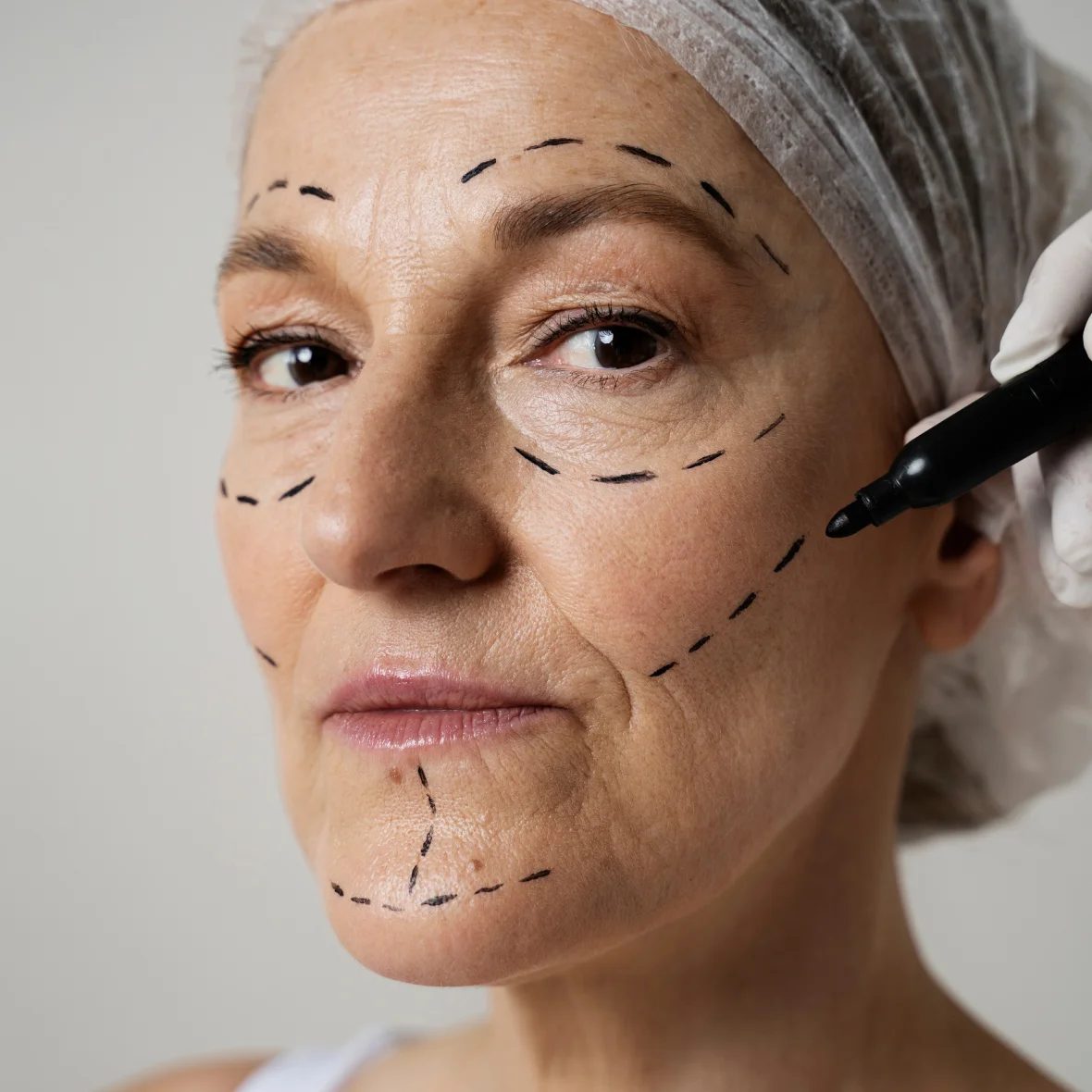
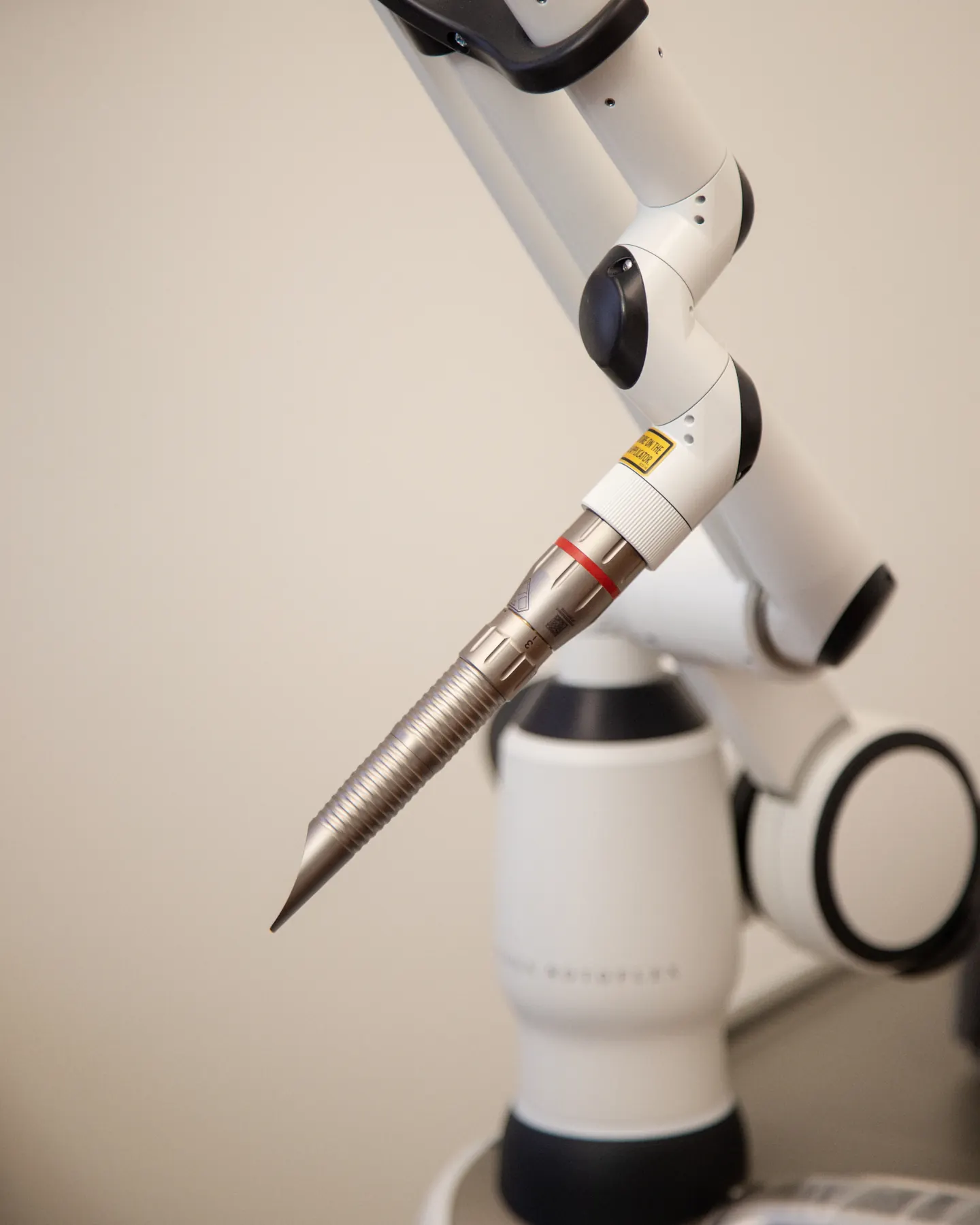
Collagen is one of those words patients hear constantly, often without much context. They know they are losing it. They know they want more of it. What matters clinically is not just whether a treatment heats tissue or brightens skin for a week, but whether it can stimulate meaningful remodeling in a way that fits real skin, real schedules, and real expectations. That is where the Fotona 4D Laser Facial, often associated with the TimeWalker platform, earns serious attention.
For patients in Encino, CA, this treatment appeals for a practical reason. It addresses several aging concerns at once, including texture, laxity, dullness, and fine lines, without defaulting to surgery or forcing extended downtime. More important, the treatment is designed to work at multiple tissue depths. That layered approach is what makes it relevant to collagen renewal rather than simple surface polishing.
A lot of energy based treatments promise rejuvenation. Some primarily improve pigment. Some tighten modestly. Some create visible swelling that looks like tightening for a few days, then fades. The Fotona 4D Laser Facial works differently. It combines distinct modes of laser delivery so the skin is treated from the inside and outside, targeting both superficial quality and deeper support structures. When performed thoughtfully, this is the kind of treatment that can produce skin that looks healthier, firmer, and better organized over time rather than just temporarily “refreshed.”
Why collagen renewal matters more than a quick glow
A fresh glow is nice, but it is not the same thing as structural improvement. Most visible signs of facial aging trace back to progressive changes in collagen and elastin. Skin becomes less springy. It creases more easily. Pores look more noticeable because the surrounding tissue has less firmness. The lower face starts to soften. Under the eyes, thinning skin begins to reveal fatigue more readily.
Collagen does not disappear overnight. It declines gradually due to age, sun exposure, inflammation, and repetitive movement. In Southern California, sunlight is a major factor. Even people who are careful with sunscreen usually have a history of cumulative UV exposure. In Encino, where active outdoor living is common, that history often shows up as fine wrinkling, uneven tone, and skin that feels a little looser than it did a few years earlier.
When a treatment supports collagen renewal, the goal is to nudge the skin into repair mode. Controlled thermal stimulation can trigger a wound healing response, which encourages fibroblasts to produce new collagen and reorganize existing fibers. That process is not instant. It unfolds over weeks and often months. Patients who understand that timeline tend to be happier, because they are not chasing a one day transformation. They are investing in tissue quality.
What the Fotona 4D approach actually means
The “4D” in Fotona 4D refers to a multi step treatment Fotona 4D Laser Facial (TimeWalker) Encino, CA concept rather than one single pass of one laser setting. Depending on the provider’s protocol and the patient’s needs, the treatment may include intraoral tightening, deeper fractional heating, more superficial resurfacing, and controlled polishing of the outer skin. The TimeWalker platform is known for combining these treatment dimensions in a way that can be customized to the face, perioral area, and neck.
This matters because aging does not happen at one depth. Fine lines at the surface are only part of the picture. Deeper tissue changes affect contour, support, and the way light reflects off the skin. A treatment that addresses only the top layer can leave patients brighter but not necessarily firmer. A treatment that targets deeper tissue without improving the surface can tighten modestly while leaving texture concerns behind. The Fotona 4D Laser Facial aims to bridge that gap.
One of the standout features is the use of an intraoral step in some protocols. Treating from inside the mouth allows energy delivery to tissue around the nasolabial folds and perioral area without breaking the skin externally in that zone. Patients are often intrigued by this because it sounds unusual, but in practice it is one of the reasons the treatment can address midface and lower face support in a distinctive way.
How collagen responds to this kind of laser stimulation
Collagen renewal is not magic, and it is not instant. It is a biological response to controlled injury and heat. The Fotona system uses wavelengths and pulse modes that can create thermal effects at different depths depending on the handpiece and settings. That heat contracts existing collagen fibers to some degree, but more important, it stimulates a repair cascade. Fibroblasts become more active, and over time the dermis can become better organized.
Patients often ask whether one session is enough. The truthful answer is that some people see a visible improvement after one treatment, especially in brightness and skin smoothness, but collagen driven tightening usually builds with a series. In real practice, providers often recommend multiple sessions spaced several weeks apart. The skin needs time to respond, and the response tends to be cumulative.
The best results usually show up in areas where mild to moderate laxity is present, where the patient still has enough biological reserve to remodel effectively. Someone in their late thirties to fifties with early jowling, etched smile lines, crepey skin around the mouth, and general textural aging is often a stronger candidate than someone with significant skin redundancy who is really in surgical territory.
The four dimensional advantage in everyday terms
It helps to think of the Fotona 4D Laser Facial not as one treatment, but as a coordinated sequence. A typical protocol may include internal tightening, deeper dermal heating, fractional correction, and light surface finishing. Each layer contributes something different.
The internal pass can support tissue contraction in areas Fotona 4D Laser Facial (TimeWalker) Encino, CA that are hard to address externally without more aggressive resurfacing. The deeper passes help stimulate dermal remodeling. Fractional treatment can improve fine lines and textural irregularities. The final superficial component often enhances radiance and smoothness. When these are combined well, the face can look more rested and refined without looking obviously “done.”
That balanced effect is one reason this treatment has gained traction among image conscious patients. In places like Encino, where many people want meaningful skin improvement but still need to be back at work, at events, or on camera quickly, that middle ground matters. They are not always looking for dramatic peeling or a two week social disappearance. They want a treatment that respects their schedule.
What patients in Encino often want from a laser facial
Local context matters more than many people realize. Encino patients frequently ask for treatments that do three things well: improve skin quality, avoid heavy downtime, and fit into broader maintenance plans that may already include neuromodulators, skincare, or occasional fillers. The Fotona 4D Laser Facial (TimeWalker) Encino, CA searches often reflect that exact interest. People are looking for a treatment that is more substantial than a spa facial but less disruptive than an ablative laser or surgery.
There is also a strong preference for natural looking outcomes. Patients are increasingly skeptical of interventions that create a temporarily overfilled or overtightened appearance. They want to look like themselves on a well rested month, not like a different person. Collagen renewal based treatments fit that preference because they improve the skin’s own architecture rather than adding volume in a way that can distort facial balance.
That said, not every patient should be steered toward laser first. Clinical judgment matters. If volume loss is the main issue, collagen stimulation alone may not fully address hollowing. If significant pigment is the top complaint, a different laser strategy might take priority. If there is substantial lower face heaviness, energy based treatment can help some, but surgery may still offer the clearest path. Good aesthetic medicine is often about choosing the right lane, not trying to force one device to solve everything.
Who tends to benefit most
The strongest candidates are not always the youngest or the oldest. They are usually the patients whose concerns line up with what this treatment is designed to do. Mild to moderate laxity, textural aging, fine lines around the mouth, dullness, enlarged pores, and early lower face softening tend to respond well.
A few signs that someone may be a good fit include:
- early skin laxity rather than severe sagging
- fine lines and crepey texture, especially around the mouth or cheeks
- uneven skin quality with dullness or roughness
- a desire for gradual, natural improvement
- limited tolerance for prolonged downtime
Those points are not a substitute for a consultation, but they reflect common patterns seen in practice. Candidacy also depends on skin type, medical history, active acne or inflammation, recent sun exposure, and the patient’s willingness to follow pre and post care instructions.
What treatment day usually feels like
Patients often imagine laser facial treatments as either painless or intense, with not much in between. The reality is more nuanced. The Fotona 4D experience varies with settings and protocol. Some steps feel warm and prickly. Others create a snapping sensation. The intraoral portion can feel odd more than painful. Topical numbing may be used depending on the plan, though some providers tailor the need for it by adjusting settings and sequencing.
A session can take around 45 minutes to over an hour, depending on whether the neck is included and how comprehensive the treatment is. Immediately afterward, many patients look pink, a bit flushed, and mildly swollen. The skin may feel warm and tight, similar to a moderate sun exposure. That early tightness can be gratifying, but it is important not to mistake it for the final collagen result. True remodeling takes longer.
In my experience, the patients who do best are the ones who treat the first week as recovery light, not business as usual. They avoid testing the limits. They do not schedule the treatment the afternoon before a major event. They understand that even a “low downtime” laser still deserves respect if they want clean healing and the best cosmetic payoff.
Downtime, healing, and the difference between visible and invisible results
One reason the Fotona 4D Laser Facial remains appealing is that downtime is usually manageable compared with more aggressive ablative resurfacing. Still, manageable is not the same as nonexistent. Some patients have only a day or two of redness. Others experience a few days of swelling or rough, dry texture as the skin turns over. The more intensive the settings, the more noticeable the recovery can be.
There is also an important distinction between early and delayed results. In the first several days, skin may appear smoother simply because of transient swelling and better hydration. Within a couple of weeks, brightness and texture often become more apparent. Tightening and firmer feel generally continue evolving for several weeks after that. Collagen remodeling is not visible in one dramatic moment. It reveals itself gradually, often in photographs when patients compare month one to month three.
This is where expectation management matters. Some patients are thrilled by subtle refinement. Others want a dramatic lift that no nonsurgical treatment can honestly deliver. A skilled provider should be very direct about this. The treatment can soften lines, improve resilience, and support mild tightening. It does not replicate a facelift, and it should not be sold as one.
How it compares with other collagen focused options
There is no single best collagen treatment for everyone. Microneedling with radiofrequency, fractional non ablative lasers, biostimulatory injectables, ultrasound based tightening, and more traditional resurfacing each occupy their own lane. The advantage of Fotona 4D is versatility. It can address several visible concerns during the same session, and the internal plus external approach gives it a distinctive profile.
Compared with a basic non ablative treatment, it often offers a more layered rejuvenation effect. Compared with aggressive ablative resurfacing, it usually involves less downtime and less risk of prolonged recovery, though also generally less dramatic single session change. Compared with purely volumizing treatments, it improves skin quality rather than simply adding fullness.
The trade off is that technique matters enormously. This is not a treatment where machine ownership alone guarantees a good result. Settings, patient selection, sequencing, and restraint all matter. An overly aggressive treatment can create avoidable irritation. An overly conservative one may leave the patient underwhelmed. The device is capable, but outcomes still depend on the operator.
Why provider judgment makes such a difference
Collagen renewal sounds straightforward until you are in the room making decisions. Does the patient need more emphasis on the perioral area, or is the neck the true priority? Is the skin resilient enough today for a stronger resurfacing pass, or did they spend the weekend in the sun and forget to mention it? Do they have rosacea that could flare with too much heat? Are they calling “laxity” what is really volume loss?
These details shape the treatment plan. Experienced providers do not simply run a canned protocol. They adapt. In practice, that often means using a gentler approach for patients with reactive skin, spacing sessions more thoughtfully in those with slower healing, or combining laser work with a longer term plan that includes prescription skincare and sun protection. The treatment itself is only part of collagen management. What happens before and after matters just as much.
I have seen patients disappointed not because the device failed, but because the consultation was too vague. They heard “tightening” and pictured a level of lift that no sensible laser session could create. On the other side, I have seen very happy patients who came in wanting their skin to look less tired, smoother around the mouth, and more polished overall. Their goals matched the treatment’s strengths, and the results made sense.
Supporting results with good skin habits
Laser induced collagen renewal works better when the skin is not fighting an uphill battle. That means minimizing UV damage, supporting barrier function, and using skincare that does not create chronic irritation. A patient spending a lot of money on collagen stimulation while skipping sunscreen daily is making the process harder than it needs to be.
After treatment, most providers emphasize a short list of common sense steps:
- use a gentle cleanser and bland moisturizer until the skin settles
- avoid direct sun and wear broad spectrum sunscreen consistently
- pause harsh exfoliants, retinoids, and strong acids for the recommended period
- keep heat exposure limited for a few days, including intense workouts and saunas
- follow the provider’s timeline before resuming actives or scheduling other treatments
Simple habits often have an outsized effect. The skin that heals quietly is the skin that tends to look better longer.
The timeline patients should realistically expect
One of the more useful conversations to have before booking is about timing. If someone has a wedding in six days, this may not be the smartest moment for a laser treatment, even a lower downtime one. If they have eight to twelve weeks before a major event, that is more workable. It allows enough time for early recovery, progressive collagen response, and sometimes a second session if needed.
For maintenance, some patients do well with a short initial series followed by periodic touch ups. Others fold the treatment into a broader annual skin plan. There is no universal schedule that suits every face. Age, skin quality, sun exposure, smoking history, hormonal changes, and home care all influence how long results appear to hold and how frequently retreatment makes sense.
This is especially relevant in Los Angeles area lifestyles, where social calendars are dense and outdoor exposure is hard to avoid. The best treatment plan is one the patient can actually maintain. A perfect protocol on paper has little value if it is unrealistic in practice.
What “natural improvement” really looks like
Patients sometimes worry that collagen treatments will leave them looking shiny, thin, or oddly tight. With responsible settings and a skilled provider, that is not the goal. The best outcomes from the Fotona 4D Laser Facial are often recognized in small but meaningful ways. Makeup sits better. The skin around the mouth does not crease as sharply. The cheeks catch light more evenly. The lower face looks a touch firmer in motion. Friends may ask whether the patient changed skincare or got more rest, not whether they had something dramatic done.
That subtlety is a strength, not a weakness. A face does not need to be transformed to look better. It often just needs healthier tissue behavior. Better collagen support can create that shift gradually, especially when paired with disciplined skincare and realistic maintenance.
For patients researching Fotona 4D Laser Facial (TimeWalker) Encino, CA, the essential question is not whether the treatment can produce a glow. Most well chosen laser treatments can do that. The better question is whether it can support deeper renewal in a way that suits their anatomy, skin goals, and lifestyle. In the right patient, the answer is often yes. Not because the treatment is trendy, but because the biology behind controlled collagen stimulation is sound, and the multi layer design gives skilled providers a useful tool for treating aging skin with nuance.
That nuance is what separates a worthwhile laser plan from a flashy one. When collagen renewal is the priority, and when expectations are anchored to what the treatment truly does well, the results tend to feel both visible and believable.
OMNIA Wellness Center
16430 Ventura Blvd Ste 207, Encino, CA 91436
Phone: +1 818-386-8511
FAQ About Fotona 4D Laser Facial (TimeWalker) Encino, CA
What is a Fotona laser good for?
Fotona lasers support several different aesthetic protocols. The Fotona 4D facial uses two wavelengths and four treatment modes to address concerns such as fine lines, skin texture, and mild laxity. OMNIA Wellness Center offers the TimeWalker facial with an individual consultation. Suitability and likely improvement depend on the person's skin and goals; results are not guaranteed, and this treatment does not reproduce a surgical facelift.
How much does a Fotona laser treatment cost?
The cost depends on the treatment protocol, areas treated, number of sessions, and provider's assessment. Ask OMNIA Wellness Center for a current written quote that explains what is included, whether follow-up is included, and any proposed package terms. An individualized estimate is more useful than assuming that one advertised price applies to every facial treatment.
How much downtime is there after a Fotona laser procedure?
Recovery varies with the specific protocol and intensity. Fotona describes its 4D facial as having little to no downtime, but temporary redness or sensitivity can occur, and a stronger surface treatment can require more recovery. Ask the treating clinician what to expect from the planned settings, how to care for the skin afterward, and when to contact the clinic with concerns.