Fotona Laser Treatments in Encino, CA: Trends and Innovations
@emiliospwg097
September 24, 2026 · 14 min read
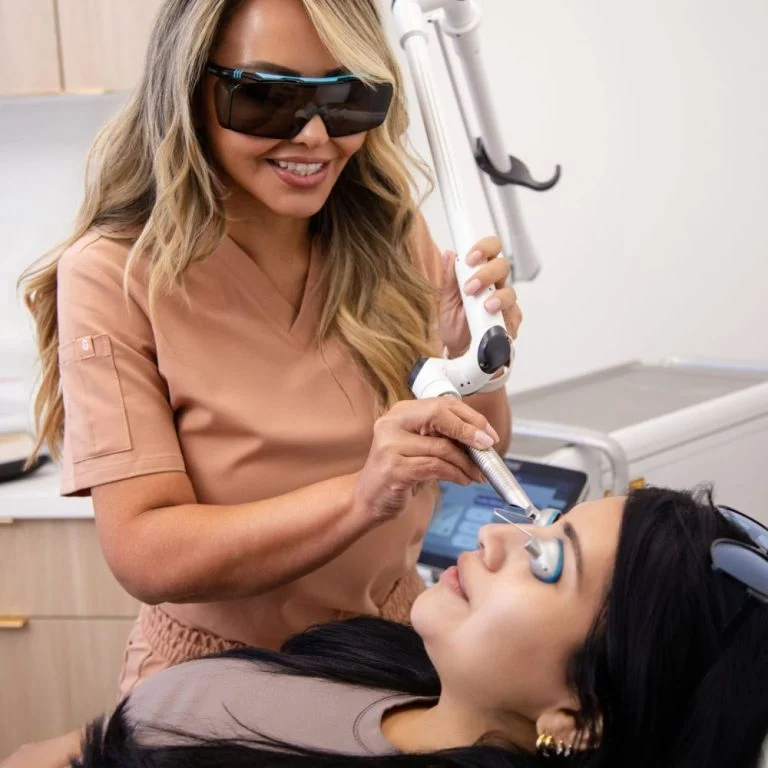
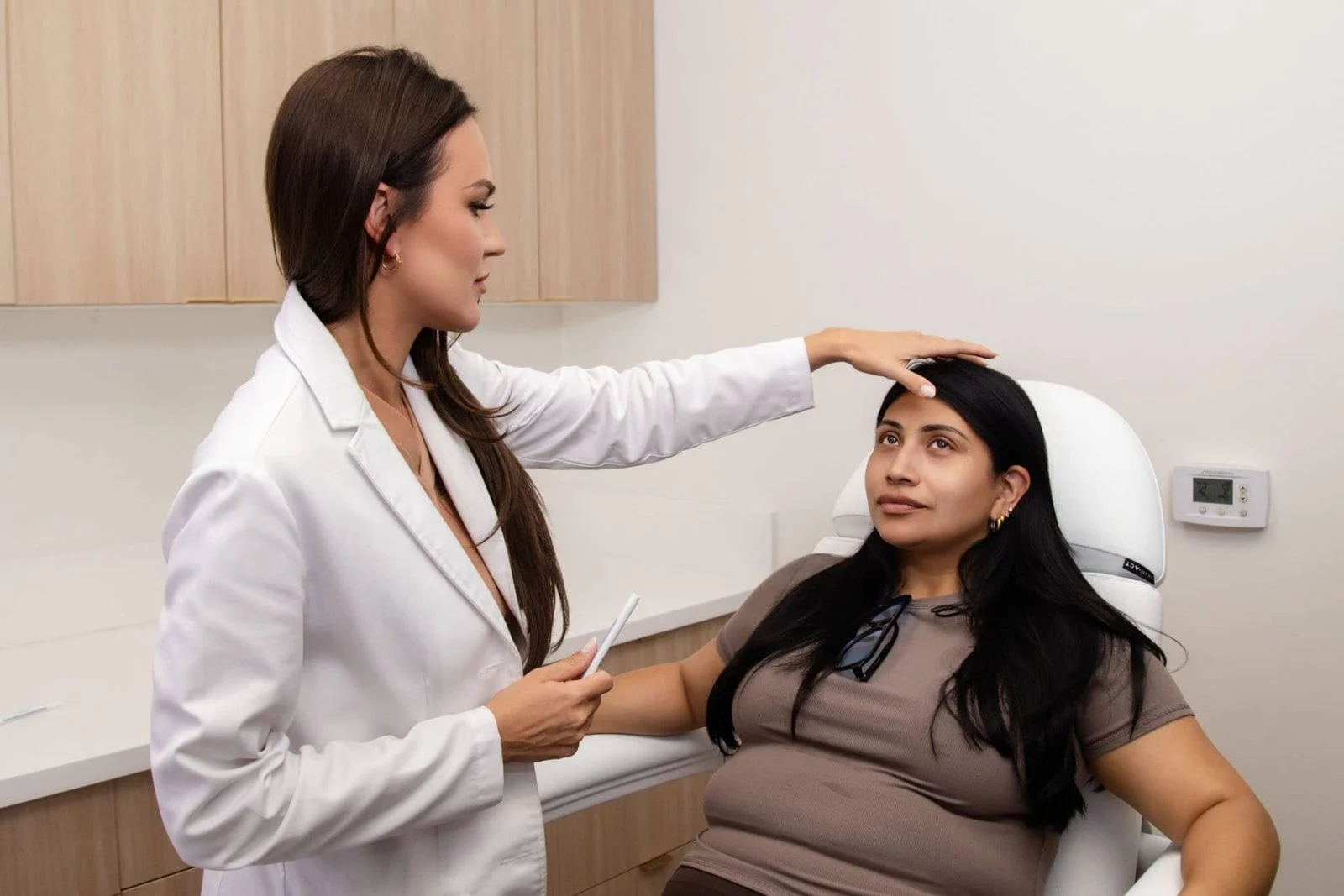
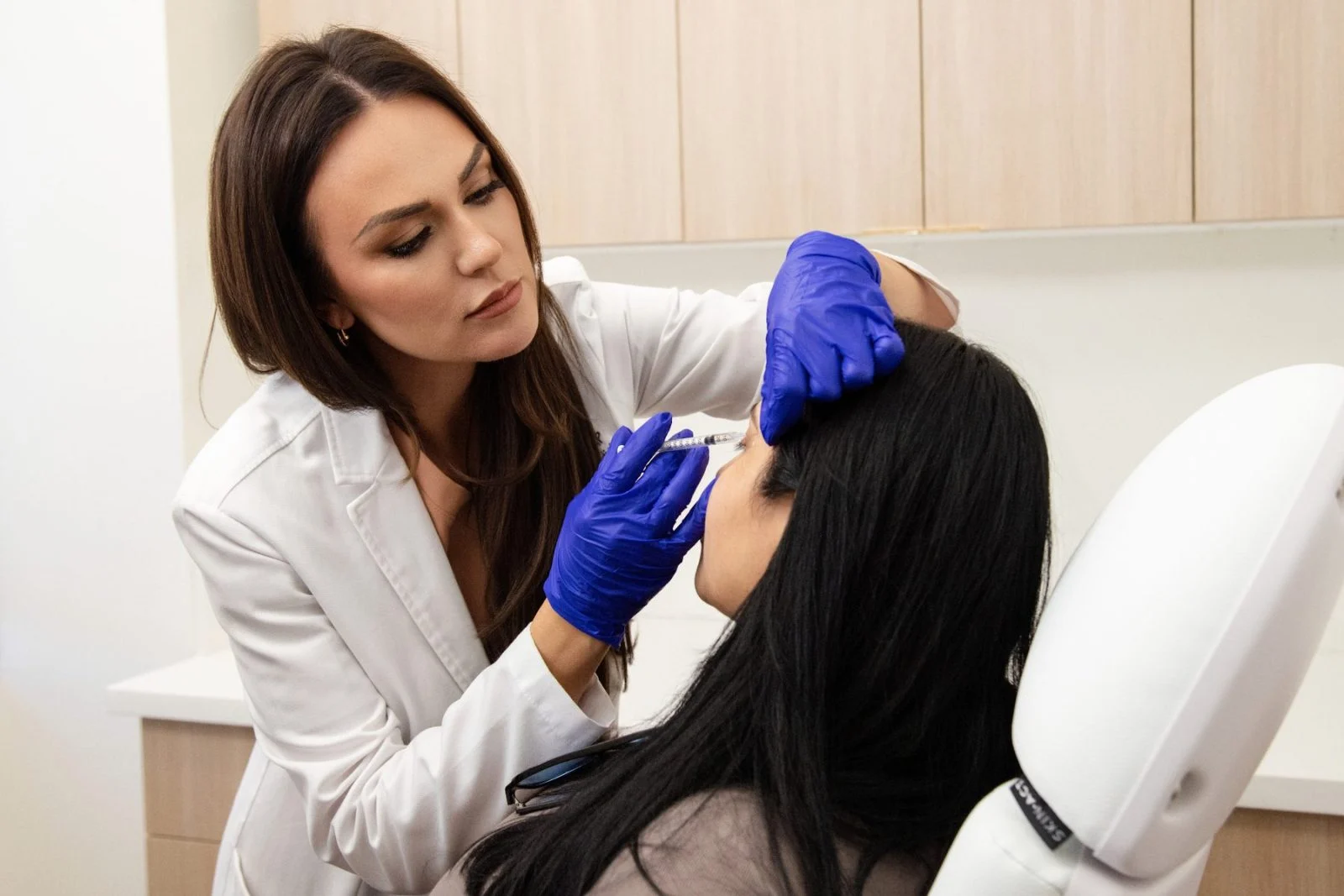
Encino has become one of those places where aesthetics and practicality meet in a very specific way. Patients here often want visible improvement, but they also want treatments that fit into packed calendars, look natural, and avoid the drawn or overdone effect that was once associated with cosmetic work. That combination helps explain the growing interest in Fotona laser technology. In real practice, Fotona has gained attention not because it promises magic, but because it gives providers a versatile platform that can address several concerns with a level of precision that patients increasingly expect.
When people search for Fotona Laser Treatments Encino, CA, they are usually not looking for a generic laser facial. They are often trying to solve a particular problem. Maybe it is persistent redness, fine lines around the mouth, acne scarring from their teens that still catches the light in certain angles, or skin laxity that makeup no longer disguises. Some want a more polished look without injectables. Others are already doing Botox or filler and want a device-based treatment that improves skin quality rather than volume.
That distinction matters. Lasers are not interchangeable, and Fotona occupies a particular lane. Its appeal comes from flexibility, controlled tissue interaction, and the ability to customize treatment depth and intensity based on the patient in front of you, rather than forcing everyone into the same protocol.
Why Fotona has gained traction in Encino
In neighborhoods Fotona Laser Treatments Encino, CA like Encino, demand tends to cluster around outcomes that are visible but believable. A patient may want tighter skin along the jawline, smoother texture, and less crepey lower eyelid skin, but they do not want coworkers asking what procedure they had done. That pushes clinics toward technologies that can produce cumulative improvement over time.
Fotona fits that preference well because it is not just one treatment. It is a laser platform used in several modes, often combining erbium:YAG and Nd:YAG wavelengths depending on the device configuration and treatment plan. In plain terms, that means a provider can tailor a session for resurfacing, collagen stimulation, vascular concerns, acne management, or deeper tightening with a level of nuance that simpler devices may not offer.
The local market also rewards treatments with manageable recovery. Encino patients are often balancing school pickups, work meetings, social events, and gym routines. They may accept a few days of redness or swelling if the payoff is worthwhile, but they are usually not signing up for extended downtime unless the expected improvement is significant. This has shaped how Fotona protocols are being used. Providers are increasingly offering stepped treatment plans, lighter sessions for maintenance, and combination approaches that spread progress over multiple visits.
What makes Fotona different from many other laser options
A lot of confusion comes from the fact that “laser treatment” is a broad phrase. Someone might compare Fotona to a fractional CO2 laser, a radiofrequency microneedling treatment, an IPL photofacial, or even a hydrafacial because all of them sit loosely in the skin-rejuvenation category. In practice, they serve different purposes and involve different trade-offs.
Fotona systems are known for controlled energy delivery and treatment versatility. Depending on the settings and handpiece, a provider may use Fotona for superficial polishing, deeper collagen remodeling, non-ablative tightening, acne support, scar revision, and specialized procedures like intraoral tightening for the perioral area. That range is part of the innovation story. Clinics are not only buying a machine, they are building layered treatment strategies around it.
For patients, the practical benefit is customization. A 32-year-old with early textural change and post-acne marks should not be treated the same way as a 58-year-old with more advanced laxity and sun damage. A provider who understands the platform can adjust intensity, passes, intervals, and combinations based on skin condition, tolerance for downtime, and treatment goals.
That said, versatility can be a double-edged sword. The machine matters, but the operator matters more. A sophisticated platform in inexperienced hands is still a risk. Good outcomes depend on patient selection, parameter choice, pre-treatment preparation, and aftercare guidance. In affluent, competitive markets like Encino, the strongest practices tend to be the ones that understand this and resist the urge to oversell.
The rise of “lunchtime” tightening and low-downtime rejuvenation
One of the clearest trends in Encino is the move toward treatments that stimulate collagen without forcing patients into a week of social hiding. This is where Fotona has found a comfortable niche. Non-ablative and minimally ablative approaches can improve skin tone and firmness in a gradual way that suits patients who prefer steady refinement over dramatic one-time recovery.
A common example is treatment for early lower-face laxity. These are patients who are not ready for surgery, may not need much filler, and are starting to notice that their jawline looks softer in photos than it used to. In the past, many would either do nothing or chase the issue with volume. Now more are asking for energy-based treatments that address tissue quality and collagen support. Fotona is often part of that conversation.
Another area where this trend shows up is around the eyes and mouth. These are delicate zones, and patients are usually cautious. Heavy treatment can create too much downtime, while under-treatment produces little value. Fotona protocols are often used here in a measured way, sometimes over a series of sessions, to improve fine wrinkling and skin texture while keeping recovery realistic.
The key innovation is not just the laser itself. It is the shift in treatment philosophy. Practices are moving away from one-size-fits-all “full resurfacing days” and toward adaptable plans built around the patient’s life. That has changed how devices like Fotona are positioned and used.
Popular treatment goals patients ask about
Most consultations around Fotona Laser Treatments Encino, CA revolve around a small set of concerns, even though every face presents them differently. Patients often ask whether the technology can help with the following:
- fine lines and crepey texture, especially around the eyes and mouth
- acne scars and uneven skin surface
- skin laxity in the cheeks, jawline, and neck
- redness or vascular appearance in select cases
- overall skin rejuvenation with a brighter, tighter look
What makes these requests interesting is how often they overlap. A patient rarely comes in with just one issue. Someone who wants help with acne scars may also have enlarged pores and early pigment irregularity. Someone asking for tightening may also have textural roughness from years of sun exposure. The modern use of Fotona leans into that complexity. Providers are increasingly designing sessions to address several layers of concern at once, within safe and tolerable limits.
Combination therapy is becoming the norm
One of the biggest changes in aesthetic medicine over the last several years is that single-modality treatment plans are less common. Patients are better informed, more outcome-focused, Fotona Laser Treatments Encino, CA and often more willing to combine therapies if the rationale is clear. Fotona works well in that environment because it can complement injectables, medical-grade skincare, microneedling in select cases, and other laser or light-based treatments when appropriately spaced.
For example, a patient in their forties with sun damage, mild melasma history, and skin laxity may not be a candidate for an aggressive resurfacing approach. Instead, a thoughtful provider may use a conservative Fotona protocol for tightening and texture, pair that with pigment-safe skincare, and delay or avoid more inflammatory treatments that could trigger rebound discoloration. This kind of judgment matters more than the marketing language around any device.
In acne care, Fotona may be integrated into a broader plan that includes topical retinoids, hormonal assessment when indicated, and scar-focused sessions once active breakouts are under better control. On its own, no laser fully replaces dermatologic acne management. But as part of a coherent treatment sequence, it can play a useful role.
For lower-face rejuvenation, some providers pair Fotona with small amounts of neuromodulator or conservative filler. This can be a smart move when done sparingly. The laser improves skin quality and firmness, while injectables refine movement or restore strategic support. Patients often appreciate this because the result looks less like “I got filler” and more like “I look well-rested.”
The innovation patients notice most: better customization
From the patient side, the word “innovation” often sounds abstract. What people actually notice is whether the treatment feels personalized. With Fotona, customization tends to show up in four very concrete ways. First, energy settings can be adjusted to skin sensitivity and treatment goals. Second, providers can vary the degree of ablative versus non-ablative effect. Third, sessions can be layered or staged over time. Fourth, recovery can often be calibrated to the patient’s schedule.
That last point has become especially important in Encino. Someone may have a wedding in three weeks, an on-camera work obligation in ten days, or a vacation where they do not want to manage peeling skin. Skilled practices ask about those constraints early because treatment timing is part of treatment quality.
Patients with darker or more reactive skin tones benefit from this attention as well. While every laser decision must be individualized and cautious, the ability to adjust technique matters. Safer treatment is not simply about owning a certain machine. It comes from respecting skin biology, knowing when to go lighter, and understanding when not to treat.
The real trade-offs, not the marketing version
It is easy to make any laser sound ideal on a website. Real consultations are more nuanced. Fotona can be an excellent option, but it is not the answer to every concern and it does require realistic expectations.
If a patient has deeper static wrinkles, pronounced skin laxity, or significant jowling, a non-surgical laser treatment may improve texture and provide some tightening, but it will not replicate a surgical result. Patients are happiest when that distinction is made clearly from the start. Similarly, for severe acne scarring, Fotona may help, but a comprehensive scar program may also include subcision, filler, punch techniques, or other resurfacing modalities depending on scar type.
Downtime also varies more than many people assume. A lighter rejuvenation treatment might leave someone pink for a day or two. A more aggressive resurfacing session can involve several days of redness, rough texture, swelling, and strict sun avoidance. The phrase “no downtime” should always be treated with skepticism. In aesthetics, there is almost always some trade-off between intensity and recovery.
Cost is another factor. In Encino, pricing reflects both the local market and the fact that experienced laser providers invest heavily in training, maintenance, and support staff. Patients sometimes compare a bargain session from one office to a higher quote from another without realizing that protocols, session length, provider expertise, and aftercare can differ considerably. Cheap treatment is not always cheap if it produces weak results or complications.
Areas where Fotona is being used more creatively
One of the more interesting developments has been the growing sophistication of protocol design. Instead of treating broad categories like “anti-aging,” providers are using Fotona in more targeted ways. Perioral rejuvenation is a good example. The mouth area is notoriously difficult because volume loss, repetitive muscle movement, and skin thinning all contribute to the final appearance. Laser treatment alone may not solve every piece of that puzzle, but carefully planned Fotona sessions can improve the texture and etched quality of the skin in a way that fillers alone cannot.
Another evolving area is neck rejuvenation. The neck often ages differently from the face, and it can be less forgiving. Patients want smoother, firmer skin but may not tolerate significant visible recovery there. This has encouraged more gradual treatment strategies, often spaced over time, with an emphasis on texture and mild tightening rather than dramatic one-session intervention.
Acne management and scar prevention also deserve mention. While active, inflamed acne requires broader medical evaluation, some practices are integrating laser support earlier in the process for selected patients, especially when post-inflammatory marks or early textural changes are developing. That does not mean every breakout should be lasered. It means providers are thinking more proactively about the full arc of acne, from inflammation to residual scarring.
What a strong consultation should cover
A proper consultation for Fotona is less about selling a package and more about sorting variables. The provider should understand the patient’s skin history, medication use, tendency toward hyperpigmentation, prior procedures, event timeline, and tolerance for downtime. Photos help. So does clarity about priorities. Some patients care most about pores. Others care about lifting. Others simply want to look less tired without looking altered.
A useful consultation usually addresses these practical questions:
- what concern is most likely to improve, and what concern may need another modality
- how many sessions may be reasonable to consider, often a series rather than a one-off treatment
- what the recovery actually looks like on days one through seven
- what pre-treatment and post-treatment skincare changes are necessary
- when visible results typically begin and how long they may continue to develop
That last point is often misunderstood. Laser-induced collagen remodeling is not instantaneous. Some changes, especially texture and glow, can appear relatively soon. Tightening and remodeling often unfold over weeks to months. Patients who expect a next-day transformation are setting themselves up for disappointment.
Safety, skin type, and the importance of restraint
The most respected laser providers tend to be the least flashy. They know that restraint is part of good medicine. Not every patient should receive the most aggressive setting their skin can physically tolerate. The right treatment is the one that balances efficacy, safety, and fit with the patient’s life.
This is especially true in a diverse community where skin tones and responses to inflammation vary widely. Post-inflammatory hyperpigmentation remains a legitimate concern in many laser treatments. An experienced provider screens for this, prepares the skin when needed, and modifies treatment depth or timing accordingly. They also know when to postpone treatment, for example after recent sun exposure, active irritation, or inconsistent skincare use that could increase sensitivity.
Encino patients are often well informed, but information online can distort expectations. Before-and-after images rarely show the whole story, including how many sessions were required, what other treatments were done, and how carefully the patient followed aftercare. The clinics that build long-term trust tend to spend more time on education and less on dramatic promises.
Recovery has become part of the innovation story
One reason Fotona has remained relevant is that treatment innovation is no longer measured only by peak results. Recovery management has become just as important. Better cooling strategies, more refined settings, staged treatment plans, and stronger pre- and post-care protocols have all improved the patient experience.
Aftercare sounds mundane, but it can strongly influence results. Keeping the skin hydrated, protected from heat and sun, and free from unnecessary actives during the healing window often determines whether recovery is smooth or frustrating. Patients who rush back into exfoliants, intense workouts, or prolonged outdoor exposure tend to learn that lesson the hard way.
This focus on recovery also reflects a broader change in aesthetics. People are less willing to disappear for ten days unless the expected payoff is substantial. They want treatments that fit modern life. Fotona has benefited because it can be scaled, from lighter rejuvenation sessions to more intensive resurfacing, rather than forcing every patient into the same downtime profile.
Where Fotona fits in the future of aesthetics in Encino
The future is likely to be less about single hero treatments and more about intelligent sequencing. That is where Fotona remains strong. It offers enough flexibility to be part of early preventative care, midlife collagen maintenance, acne-scar improvement, and adjunctive work around more advanced anti-aging plans.
Encino is the kind of market where patients compare notes, notice subtle quality differences, and return to practices that give honest guidance. In that environment, technologies survive not because they are trendy, but because they produce repeatable results when used well. Fotona has stayed relevant for exactly that reason. It gives experienced providers room to think, adjust, and treat with nuance.
For patients considering Fotona Laser Treatments Encino, CA, the best approach is simple. Focus less on the name of the machine and more on the judgment of the person using it. Ask what concern is being treated, why that protocol fits your skin, how much downtime is realistic, and what alternatives were considered. Those questions usually reveal the quality of a practice faster than any advertisement.
The strongest outcomes in aesthetics rarely come from chasing the newest headline. They come from matching the right patient to the right treatment at the right intensity, then repeating that process carefully over time. Fotona’s ongoing popularity in Encino has less to do with hype than with that very practical truth.
OMNIA Wellness Center
Address: 16430 Ventura Blvd Ste 207, Encino, CA 91436
Phone number: +18183868511
FAQ About Fotona Laser Treatments Encino, CA
What is a Fotona laser good for?
A Fotona Laser system is a versatile, dual-wavelength medical laser used primarily for non-surgical skin tightening, anti-aging rejuvenation, and dermatological treatments.
How much does the Fotona laser cost?
The cost of a Fotona laser depends heavily on whether you are looking to purchase a laser machine for a medical practice or are a patient seeking a laser treatment at a medspa.
Is a Fotona laser worth it?
A Fotona laser treatment is generally worth it if you want non-surgical skin tightening, improved texture, and collagen stimulation with very little downtime.