Fotona Laser Treatments in Encino, CA: A Contemporary Approach to Beauty
@emiliospwg097
September 24, 2026 · 15 min read
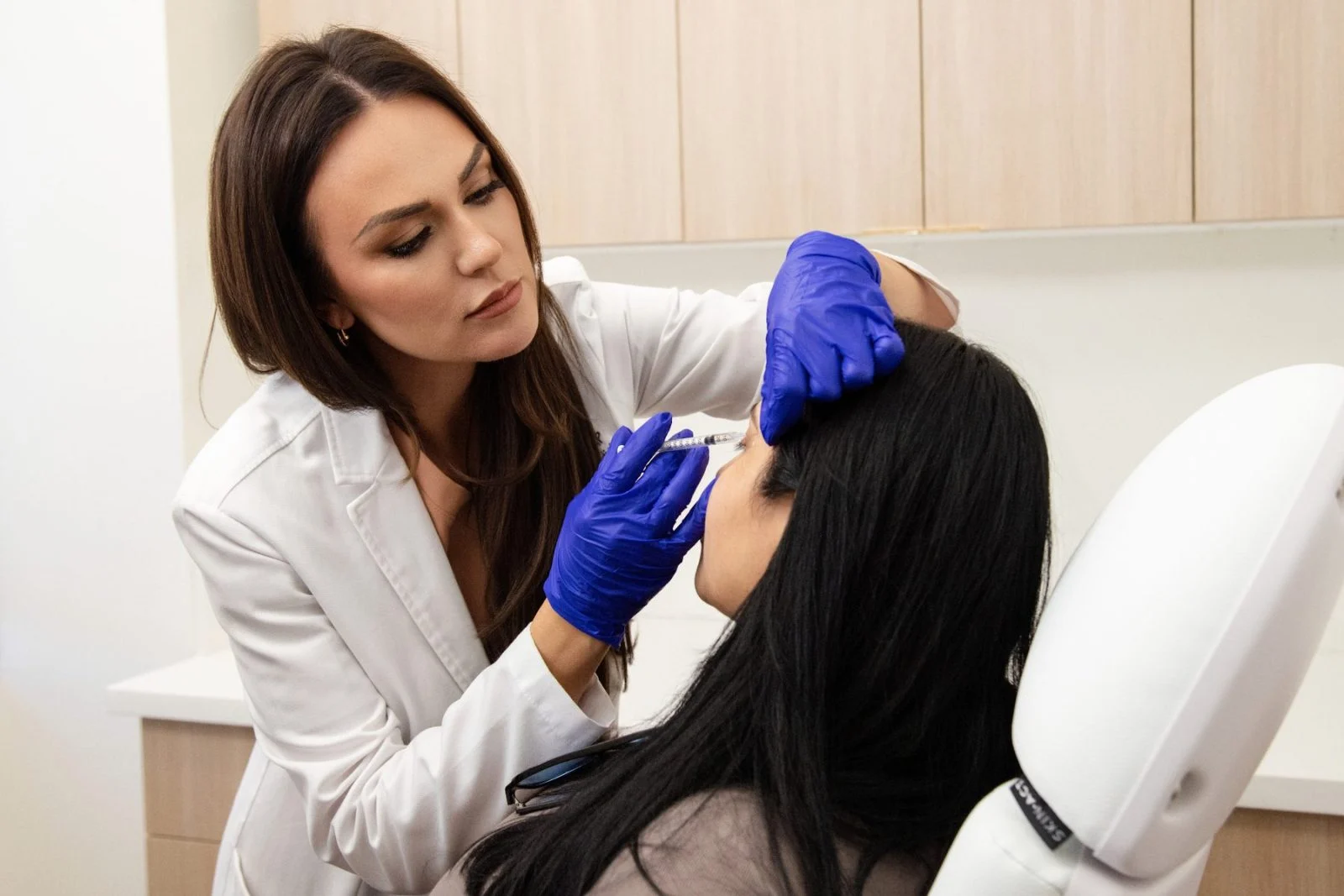
Encino has never been a place where aesthetic care stands still. Patients here tend to be informed, selective, and realistic. They are not usually chasing a dramatic, overnight transformation. More often, they want skin that looks rested, smoother Fotona Laser Treatments Encino, CA texture, better tone, and a fresher overall appearance without a long recovery. That is where Fotona has earned attention. It fits a modern approach to aesthetics, one that values precision, flexibility, and treatment plans that can be adjusted to the individual rather than forced into a one-size-fits-all model.
When people ask about Fotona laser treatments in Encino, CA, they are often trying to sort through a crowded field of options. They may have heard about resurfacing, tightening, scar revision, pigment correction, or non-surgical rejuvenation, yet still feel unsure which technology does what. That confusion is understandable. Laser medicine is full of overlapping claims, and not every system is designed with the same goals in mind. Fotona stands out because it is not a single treatment in the narrow sense. It is a laser platform used in several different ways, depending on the concern being addressed and the settings selected by the treating provider.
That distinction matters. A technology can be excellent on paper, but outcomes depend heavily on how thoughtfully it is applied. In practice, the best results come from matching the treatment depth, energy, frequency, and patient skin characteristics to the actual problem at hand. Fine etched lines call for a different strategy than acne scarring. Laxity around the mouth is not the same as redness or uneven texture. A skilled clinician knows the difference, and Fotona gives that clinician a versatile toolkit.
Why Fotona continues to attract interest
Patients are often drawn to Fotona because it can address visible aging and textural issues while allowing a range of treatment intensities. Some sessions are relatively light and easy to fit into a busy week. Others are more intensive and chosen by patients who are comfortable with additional downtime in exchange for more noticeable correction. That range is one reason the platform has remained relevant while so many devices come and go.
Another practical reason is that many people do not want surgery, at least not yet. They may see early laxity, crepey skin, enlarged pores, or residual acne scarring, but feel they are not ready for a facelift or more invasive procedure. They are looking for a middle path, something more meaningful than a facial, but less disruptive than surgery. Fotona often lives in that middle ground.
A patient in her early forties, for example, may come in saying she looks tired around the eyes and mouth even though she feels healthy and energetic. She may have mild laxity, some sun damage from years of California exposure, and a rougher skin surface than she had five years ago. In that case, a carefully staged Fotona plan can be more useful than treating just one symptom. Improving texture, encouraging collagen remodeling, and tightening selected areas can create a result that reads as refreshed rather than obviously "done."
What makes Fotona different from many other laser systems
At a basic level, Fotona platforms are known for using wavelengths that allow providers to treat both superficial and deeper layers of tissue. That versatility is important because cosmetic concerns rarely exist in only one layer of the skin. A wrinkle is not just a surface line. A scar is not just an indentation. Laxity is not just a visible droop. Effective treatment often depends on working at the right depth while preserving as much healthy surrounding tissue as possible.
One of the more appealing features for patients is that some Fotona protocols can stimulate collagen with little to no visible disruption of the skin surface, while others can resurface more aggressively when texture and scarring require it. In practical terms, that means treatment can be tailored to the patient’s tolerance for downtime, schedule, and goals.
This flexibility is especially relevant in a place like Encino, where many patients have public-facing jobs, family obligations, or social schedules that make prolonged recovery difficult. Not everyone can disappear for ten days while the skin heals. At the same time, not everyone wants the gentlest possible approach if the issue has been bothering them for years. Good aesthetic medicine is often about calibration, not extremes.
Common concerns treated with Fotona
The phrase “laser treatment” can sound broad because it is broad. With Fotona, the concerns commonly addressed often include early to moderate skin laxity, fine lines, acne scars, enlarged pores, uneven texture, and certain signs of sun damage. Some providers also use Fotona protocols around the eyes and mouth where precision matters and where patients often first notice age-related changes.
A practical way to think about it is this: if the problem involves skin quality, surface irregularity, or support loss in tissue that is not yet at a surgical threshold, Fotona may enter the conversation. It is not a magic wand, and it does not replace every other option. Deep folds caused by heavier tissue descent may still require injectables, surgery, or a combination approach. Very dark pigmentation issues may need careful diagnosis before any laser is used. Active acne may need medical control first. The strength of Fotona is not that it solves everything. The strength is that it solves a meaningful subset of concerns well when selected appropriately.
The consultation is where good outcomes begin
The most important part of any laser journey is not the machine. It is the consultation. That is where expectations are shaped, contraindications are reviewed, and the actual problem is identified. I have seen patients come in asking for resurfacing when what they really needed was tightening. I have also seen patients who thought they needed tightening when their main issue was irregular pigment and rough texture. If the diagnosis is off, the treatment plan will be off too.
A strong consultation should cover more than a quick glance at the face. Sun exposure habits, prior procedures, healing history, medications, history of cold sores, skin sensitivity, and tendency toward pigmentation changes all matter. So does timing. If someone has a wedding in three weeks, that changes the recommendation. If someone is willing to do a series over several months, that opens different possibilities.
The best consultations also include honest trade-offs. More aggressive settings can sometimes produce more visible improvement in one session, but they may involve greater redness, swelling, or peeling. Gentle treatments can be easier to tolerate, but they usually require patience and repetition. Neither approach is inherently better. The right choice depends on the patient in front of you.
How treatment feels and what a session often looks like
People usually want practical information first. Does it hurt? How long does it take? When will I look normal again?
The answer depends on the protocol used. Lighter non-ablative approaches may feel warm, prickly, or briefly snappy, with discomfort that is manageable and short-lived. More intensive resurfacing sessions can be significantly more uncomfortable and often involve topical numbing, careful skin prep, and more detailed aftercare instructions. A session may last anywhere from under half an hour to well over an hour depending on the treatment area and complexity.
Immediately afterward, patients may notice warmth, redness, and mild swelling. With stronger resurfacing, there can be a more obvious recovery period that includes bronzing, flaking, or peeling over several days. With gentler protocols, some patients return to work quickly, sometimes the same or next day, provided they are comfortable with mild redness.
This is where the provider’s judgment becomes visible. Good technique is not just about delivering energy. It is also about pacing the treatment, selecting overlap carefully, protecting sensitive areas, and setting aftercare up properly so that healing proceeds cleanly.
The appeal of non-surgical tightening
One reason Fotona has drawn consistent interest is its role in non-surgical tightening. Collagen stimulation sounds abstract until you see how patients describe the result. They rarely say, “My collagen improved.” They say, “My skin looks firmer,” or “My makeup sits better,” or “That tired look around my mouth softened.” These are subtle observations, but they matter because they reflect changes that register in everyday life.
Non-surgical tightening tends to work best in patients with mild to moderate laxity rather than heavy tissue descent. A younger patient in her late thirties or forties with early softening of the jawline may see a satisfying improvement. A patient in her sixties with substantial skin redundancy can still benefit, but the result may be best understood as improvement, not replacement for surgery.
That distinction is worth emphasizing. Lasers are excellent tools, but they have limits. Good medicine respects those limits rather than pretending they do not exist.
Resurfacing for texture, pores, and scars
Where Fotona can be especially rewarding is in the treatment of texture issues. Patients with acne scarring often arrive frustrated because they have tried peels, microneedling, and skincare with partial gains but persistent depressions or roughness. Laser resurfacing, when chosen carefully, can produce a level of refinement that topical treatments simply cannot reach.
Acne scars vary widely. Narrow deep scars behave differently from rolling scars. Post-inflammatory pigmentation is not the same as structural scarring. A patient may have all three at once. That is one reason scar work usually benefits from a plan rather than a single session. In real practice, progress often comes in increments. A twenty to thirty percent improvement can happen sooner, but more significant smoothing usually takes time, combination methods, or multiple treatments.
Texture improvement is also one of the areas where photography matters. Day to day, patients can miss gradual gains because they see themselves constantly. Standardized before-and-after images often reveal smoother transitions in the skin surface, softened pore appearance, and more even reflectivity across the cheeks or forehead.
Around the eyes and mouth, where patients notice change first
If you ask patients where aging starts to bother them, many point to the delicate zones around the eyes and mouth. These are expressive areas, constantly moving, often sun-exposed, and quick to show fine lines. They are also areas where aggressive treatment must be approached carefully.
Fotona protocols used in these regions can be appealing because they allow a provider to work with precision. Patients often report that the eye area looks more open or less crepey, even when the change is modest. Around the mouth, softening of smoker’s lines or etched lipstick lines can make a noticeable cosmetic difference because these lines tend to catch makeup and emphasize age.
Results here are rarely dramatic after a single light treatment. Still, even subtle refinement can have an outsized effect because these are focal points in social interaction. People notice eyes and mouth before they notice the lower cheek.
Why skin tone and skin history matter
Laser treatment should never be approached casually in patients with a history of hyperpigmentation, melasma, or reactive skin. That does not automatically rule out treatment, but it does mean the plan should be more cautious. Device choice, settings, pretreatment skincare, and post-treatment sun protection become especially important.
This point is particularly relevant in Southern California, where year-round sun exposure complicates recovery and maintenance. Patients sometimes underestimate how much daily incidental sun, driving, errands, school pickup, outdoor lunches, affects healing and pigment stability. A laser cannot do its best work if the skin is repeatedly challenged by ultraviolet exposure during recovery.
A thoughtful provider will often delay treatment if the patient has a recent tan, active irritation, or an upcoming travel plan that makes strict sun avoidance unrealistic. That kind of restraint is a sign of professionalism, not hesitation.
What downtime really means
Downtime is one of the most misunderstood parts of aesthetics. Patients sometimes assume it means being unable to function. More often, it simply means looking visibly treated. You may feel physically fine but still not want to attend a business meeting, social event, or family photo session while redness or peeling is present.
For many Fotona laser treatments in Encino, CA, downtime exists on a spectrum. A lighter session may create a few days of mild pinkness and dryness. A stronger resurfacing session may involve closer to a week, sometimes longer, of visible healing. The important thing is to define downtime honestly before treatment, not after.
Here are the practical questions patients should ask during consultation:
- How many days of visible redness or peeling should I realistically expect?
- When can I wear makeup, exercise, and resume active skincare?
- What outcome is likely after one session versus a series?
- What are the main risks for my skin type and history?
- What alternatives would you recommend if I want less downtime?
These questions tend to lead to better planning and fewer regrets than asking only whether the treatment is “worth it.” Value depends on fit.
Pairing Fotona with a broader aesthetic plan
Some of the best outcomes happen when laser treatment is not isolated from everything else. Skin quality improves most when the in-office work and home routine support each other. That does not mean a shelf full of products. Usually it means a few well-chosen fundamentals, such as gentle cleansing, barrier-respecting moisturization, daily broad-spectrum sunscreen, and selected active ingredients introduced at the right time.
In some cases, Fotona is paired thoughtfully with injectables, microneedling, or other procedures. The point is not to stack treatments for the sake of doing more. The point is to treat different aspects of aging or skin damage with the appropriate tool. Dynamic lines from muscle movement respond differently than textural roughness. Volume loss is not corrected by resurfacing. Laxity is not solved by a peel alone. Patients do best when each concern is identified and addressed on its own terms.
This is also where restraint matters. Too many interventions too quickly can overwhelm the skin or create confusion about what actually helped. Experienced practices know when to stage treatment rather than compress it.
What results tend to look like in real life
One of the challenges in aesthetic medicine is that patients often compare their potential result to heavily filtered images or unusually dramatic marketing photos. Real laser outcomes usually look more natural than that. Skin may reflect light better. Fine wrinkling may soften. Rough patches may fade. Makeup may sit more evenly. The face may look less fatigued.
That can sound modest, but in person it is often exactly what patients wanted. Good laser work should not make someone look like a different person. It should help them look healthier, more polished, and more in sync with how they feel.
Improvements also continue over time. Some effects, especially those related to collagen remodeling, are not fully visible the same week as treatment. Patients who understand that timeline tend to be happier because they are not expecting a final result before the skin has had time to respond.
Choosing the right provider in Encino
Technology matters, but the provider matters more. Two practices can offer the same brand of laser and deliver very different experiences and outcomes. What separates a strong provider is not just access to the device. It is evaluation, judgment, technique, follow-up, and the willingness to say no when a treatment is unlikely to satisfy the patient’s goals.
A few signs usually indicate a higher standard of care:
- The consultation feels specific to your skin, not scripted.
- Risks, downtime, and limitations are explained clearly.
- The provider discusses alternatives rather than pushing one device.
- Before-and-after photos look consistent, not exaggerated.
- Aftercare instructions are detailed and easy to follow.
This matters in any city, but especially in an area like Encino where patients often have access to many aesthetic options and should feel empowered to compare them carefully.
The role of maintenance
Laser treatment is rarely a one-time event if the goal is long-term skin quality. Aging continues. Sun exposure accumulates. Collagen naturally changes over time. Most patients who love their results eventually shift from correction to maintenance. That may mean periodic lighter sessions, seasonal refresh treatments, or a custom schedule based on how the skin behaves.
Maintenance should not be viewed as a sales tactic when it is presented honestly. It is simply the reality that skin is living tissue, not a static surface. The goal is not to freeze time. The goal is to keep the skin in a healthier, more resilient state than it would be otherwise.
Patients often appreciate this more when it is framed realistically. A laser can improve the baseline, but daily habits still influence the outcome. Consistent sunscreen, sensible skincare, and timing treatments around life events often determine whether results fade quickly or hold up well.
A modern aesthetic choice for patients who value nuance
What makes Fotona relevant today is not hype. It is adaptability. It can be used conservatively or more aggressively, depending on what the skin needs and what the patient can accommodate. It can support tightening, resurfacing, and overall rejuvenation in ways that make sense for people who want visible change without necessarily stepping into surgery.
For patients exploring Fotona laser treatments in Encino, CA, the smartest next step is not chasing the strongest treatment or the most heavily advertised one. It is finding a provider who understands skin deeply, communicates plainly, and builds a plan around your anatomy, your history, and your actual tolerance for downtime. When that alignment is there, laser treatment stops feeling like a trend and starts functioning as what it should be, a precise medical aesthetic tool used with care.
OMNIA Wellness Center
Address: 16430 Ventura Blvd Ste 207, Encino, CA 91436
Phone number: +18183868511
FAQ About Fotona Laser Treatments Encino, CA
What is a Fotona laser good for?
A Fotona Laser system is a versatile, dual-wavelength medical laser used primarily for non-surgical skin tightening, anti-aging rejuvenation, and dermatological treatments.
How much does the Fotona laser cost?
The cost of a Fotona laser depends heavily on whether you are looking to purchase a laser machine for a medical practice or are a patient seeking a laser treatment at a medspa.
Is a Fotona laser worth it?
A Fotona laser treatment is generally worth it if you want non-surgical skin tightening, improved texture, and collagen stimulation with very little downtime.