Fotona 4D Laser Facial (TimeWalker) for Smoother Skin Texture and Tone
@emiliospwg097
November 20, 2026 · 14 min read
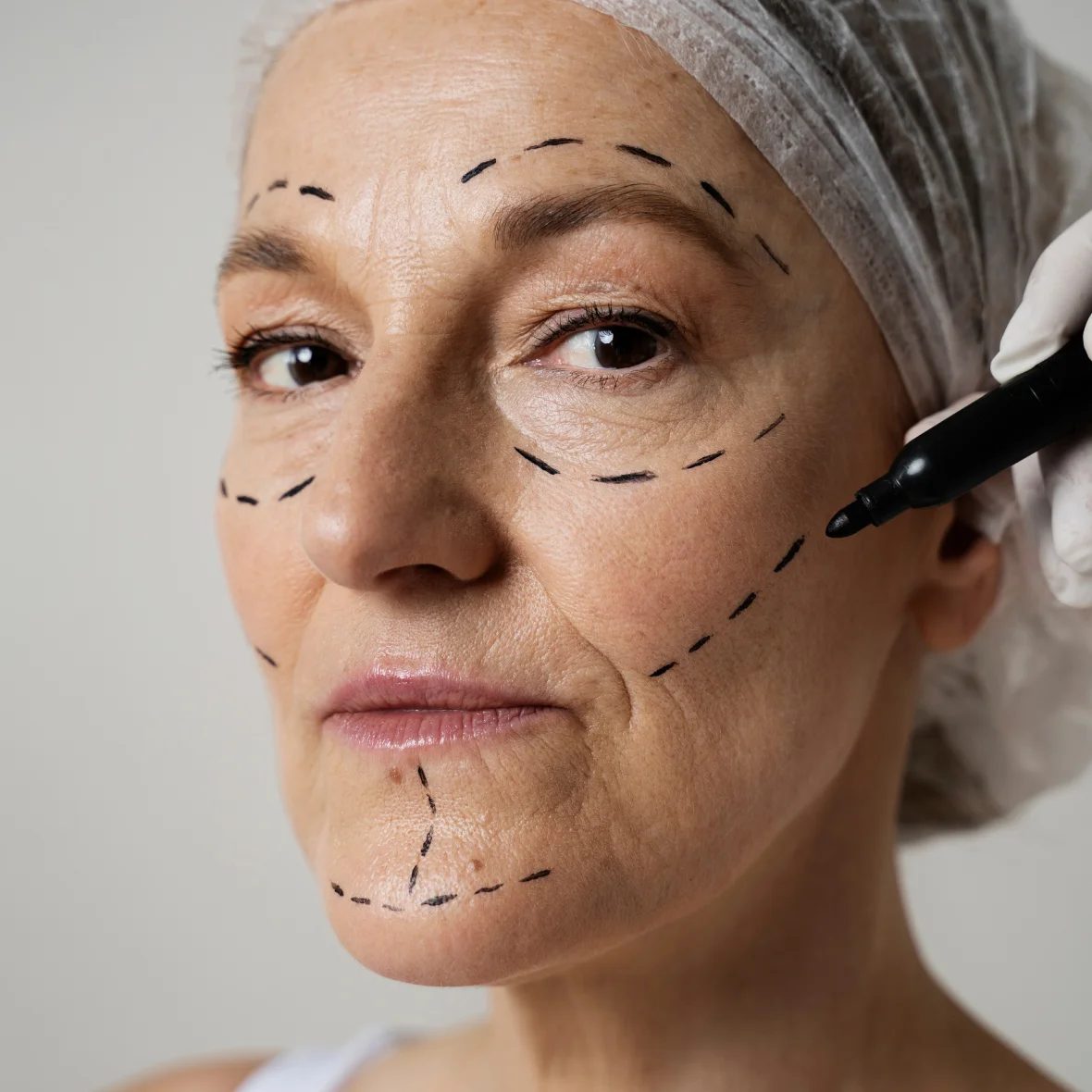
There is a reason the Fotona 4D Laser Facial (TimeWalker) keeps coming up in conversations about skin quality rather than just wrinkle reduction. Many treatments can make skin look brighter for a few days. Fewer can improve the way skin actually behaves, how it reflects light, how makeup sits on it, and how pores, rough patches, and uneven pigment read at a conversational distance. Texture and tone are where patients usually notice the difference first.
In practice, most people do not walk into a clinic asking for “collagen remodeling.” They say their skin looks tired, crepey, blotchy, or rough. They mention that foundation catches around the mouth, that old acne marks seem more obvious in certain lighting, or that their cheeks have lost that smooth, even quality they had a few years ago. The appeal of Fotona 4D lies in the fact that it addresses several of those concerns in one treatment sequence, using different laser modes to target skin from both inside the mouth and on the surface.
That combination matters. Smoother texture and more even tone rarely come from a single mechanism. Fine lines, pore visibility, mild laxity, superficial pigmentation, and low-grade dullness often overlap. When a treatment plan accounts for all of them, results tend to look more natural because the skin improves as a whole rather than in isolated patches.
What the Fotona 4D approach actually is
Fotona 4D is not one single laser pulse delivered in one way. It is a multi-step treatment concept built around Fotona laser technology, often performed on systems associated with the TimeWalker platform. The “4D” name refers to four complementary treatment modes, each intended to work at a different depth or in a different tissue plane.
A typical session may include intraoral tightening, deeper bulk heating, fractional treatment for targeted texture concerns, and a light surface polish. Names can vary slightly by clinic and platform, but the broad idea is consistent: stimulate collagen, improve tissue support, refine the skin’s surface, and create a smoother optical finish.
That layered design is part of why the treatment attracts patients who want visible change without committing to the downtime associated with aggressive ablative resurfacing. It sits in an interesting middle ground. It is more substantive than a basic “lunchtime facial” laser, but generally easier to recover from than more intensive fully ablative procedures.
Why texture and tone respond well to this treatment
When skin texture improves, people often describe it in deceptively simple ways. They say the skin feels softer, looks less crinkled, or seems more “even.” Underneath that are several changes.
First, controlled laser energy can stimulate collagen remodeling. This supports the skin’s framework and can make fine surface irregularities less obvious over time. Second, selective treatment of superficial layers can help reduce roughness and improve light reflection. Third, heat delivered at appropriate depths can enhance circulation and healing responses that contribute to a healthier, more uniform appearance.
Tone improves through a slightly different route. Uneven tone can come from sun damage, low-level redness, post-inflammatory marks, or just a lack of clarity in the skin. Depending on how the treatment is configured, the surface component of a Fotona 4D Laser Facial (TimeWalker) can help brighten and smooth enough that tone appears more refined, even if deeper pigment issues still need separate management.
This is worth emphasizing because unrealistic expectations are one of the main reasons patients feel underwhelmed. Fotona 4D can improve the look of patchy, tired, mildly sun-damaged skin. It is not necessarily the first or only answer for melasma, prominent vascular redness, or dense pigment that sits deeper in the skin. Good providers separate “good candidate” concerns from “better treated another way” concerns before they ever switch the device on.
The four treatment dimensions, and what each contributes
The intraoral step is often what surprises first-time patients. Instead of treating only from the outside, the laser can be used inside the mouth along the cheeks and around the perioral area. This targets tissue from beneath, where support structures can be encouraged to tighten and remodel. Patients who complain about mouth lines, a softening jawline, or a general collapse around the lower face often appreciate this element because it addresses an area topical skincare simply cannot reach.
A deeper heating phase usually follows. This is less about visible exfoliation and more about warming tissue in a controlled way to trigger collagen contraction and remodeling. Patients often feel this as sustained heat rather than sharp stinging. Done well, it gives the treatment some of its firming effect without creating dramatic surface injury.
The fractional component is where texture improvement often becomes more obvious over a series. Fractional energy creates microscopic treatment zones while leaving surrounding tissue intact, which supports faster healing. This can help with fine lines, enlarged pores, shallow acne scarring, and that generally uneven “orange peel” look some skin develops with age and photodamage.
The final surface pass is often compared to a light polish. It can brighten the complexion, improve immediate smoothness, and make the skin look fresher in the first week after treatment. For many patients, this is the part that gives the early payoff while the deeper collagen response takes longer to emerge.
What treatment feels like in real life
Most clinics market comfort heavily, and that is understandable, but patients deserve a more grounded description. Fotona 4D is usually very tolerable, though not sensation-free. The internal oral Fotona 4D Laser Facial (TimeWalker) portion feels unusual more than painful. The deeper heating phase can feel quite warm, occasionally hot, especially over thinner areas. Fractional passes often create a prickling or snapping sensation. The final polish can feel brisk and scratchy, depending on settings.
Whether numbing cream is used varies by protocol, skin sensitivity, and how assertive the treatment is. Some patients do fine with little or no numbing for gentler sessions. Others benefit from topical anesthetic, especially if the plan leans more heavily into resurfacing. A good provider adjusts settings not just to your skin type and goals, but also to your tolerance, event schedule, and previous treatment history.
A full appointment often takes around 45 to 90 minutes, depending on whether photos, numbing, add-on care, or a more customized protocol are involved.
The skin concerns that tend to respond best
Some people are almost textbook candidates for a Fotona 4D Laser Facial (TimeWalker). Others may see some benefit, but would do better with a different laser, radiofrequency microneedling, a vascular device, injectables, or a combination plan.
The best matches often include:
- Mild to moderate skin laxity, especially around the cheeks, mouth, and jawline
- Fine textural irregularities, enlarged pores, and early crepiness
- Dullness and uneven skin tone related to sun exposure or general skin aging
- Early to moderate perioral lines and lower face softening
- Patients who want meaningful improvement with less downtime than aggressive resurfacing
What tends to respond less predictably? Deep static folds will not vanish. Moderate to severe acne scars usually need more than one modality. Significant melasma can flare with heat if it is not managed carefully. Active inflammatory acne, open skin infections, and poorly timed treatment before intense sun exposure can all complicate outcomes.
How many sessions are usually needed
This is where marketing language and reality sometimes part ways. One session can absolutely make skin look fresher and a bit smoother, particularly if the surface component is emphasized. But durable changes in texture, tone, and firmness generally build over a course of treatments.
Many practitioners suggest a series of three sessions spaced roughly four to six weeks apart, then maintenance every few months or as needed. Some patients with milder concerns are happy after one or two sessions. Others with more established textural change or laxity need a fuller series before they feel the treatment has “worked.”
Collagen remodeling does not happen overnight. The brightening and polish may show up quickly, sometimes within days, while the firmer, smoother quality develops more gradually over six to twelve weeks.
That timing matters if you are scheduling around a wedding, a reunion, or photo-heavy travel. If the goal is a subtle glow, one session a week or two beforehand may make sense. If the goal is genuine skin quality change, start months earlier.
Downtime, and what “minimal downtime” really means
Minimal downtime does not mean no downtime. For many patients, the recovery is manageable rather than dramatic. Expect some combination of redness, warmth, mild swelling, and a sandpapery feel for a few days. If the treatment includes a more assertive surface pass, the skin may bronze slightly and shed fine flakes afterward.
I often tell people to think in terms of social visibility rather than strict medical recovery. You may be able to go back to work quickly, especially if you work remotely or do not mind looking mildly flushed. But if your definition of downtime means “camera-ready with no evidence of treatment,” give yourself several days of margin.
The mouth area and under-eye region can swell more readily than patients expect. This is usually temporary. People with reactive skin can stay pink longer. Patients with rosacea or a history of post-inflammatory hyperpigmentation need thoughtful settings and aftercare.
Preparation can make or break the experience
Laser outcomes are not shaped by the machine alone. Prep matters, sometimes more than patients realize. A healthy barrier, a clear history of pigment issues, and realistic planning around sun exposure can prevent many of the disappointments seen after otherwise good treatment.
If a patient has been overusing exfoliating acids, retinoids, or strong actives right up until the appointment, the skin may react more intensely. If they come in tanned, recently burned, or casually using photosensitizing products they forgot to mention, risk goes up. If they are prone to cold sores and treating around the mouth, prophylaxis may be appropriate, depending on the clinician’s judgment and the patient’s history.
This is also the stage where the best providers will ask what bothers you most when you look in the mirror. That sounds simple, but it changes treatment design. Someone worried about pore texture on the cheeks may need a different emphasis than someone whose main complaint is upper lip lines and lower face sagging.
The aftercare that supports better healing
Aftercare does not need to be complicated, but it should be consistent. Skin that has just been heated and resurfaced needs protection more than experimentation. This is not the week to test a new exfoliant, use a scrub, or push through irritation because a product claims to be “active.”
A straightforward recovery routine usually includes:
- A bland moisturizer that supports the skin barrier
- Strict daily sunscreen, ideally broad-spectrum and reapplied when appropriate
- A temporary pause on retinoids, acids, and abrasive cleansing devices
- Gentle cleansing with lukewarm, not hot, water
- Patience with flaking, dryness, or a rough feel while the skin turns over
One small but useful practical point: if you rely on makeup, mineral formulas often sit more comfortably during the recovery window than heavy long-wear foundations. Thick coverage can cling to dry patches and make the skin look rougher than it is.
How it compares with other skin-tightening and resurfacing options
Patients often ask whether Fotona 4D is “better” than microneedling, radiofrequency microneedling, IPL, Fraxel-type treatments, or traditional ablative laser resurfacing. Better is usually the wrong frame. More appropriate is the better question.
Compared with basic microneedling, Fotona 4D often offers a broader effect on tone, superficial texture, and mild tightening, especially because of the multi-layered approach. Compared with radiofrequency microneedling, it may feel less invasive to some patients because there are no needles, though radiofrequency microneedling can be stronger for certain acne scars and dermal remodeling goals.
Compared with IPL, Fotona 4D is not primarily a pigment-and-redness device, though it may improve overall clarity. IPL often wins when brown spots and vascular redness are the dominant concerns. Compared with more aggressive ablative CO2 resurfacing, Fotona 4D generally means less downtime and lower intensity, but also less dramatic single-treatment transformation.
That trade-off is often exactly why mature but busy patients choose it. They want a real improvement without looking as if they disappeared for two weeks.
Who should think twice
There are several situations where caution is warranted. Patients with active melasma need careful management because heat can aggravate pigment in some cases. Those with darker skin tones may still be candidates, but settings, device choice, and provider experience matter a great deal because the risk of pigment shifts can be higher with some laser approaches. Anyone with recent isotretinoin use, a history of keloid scarring, active infection, or poor wound healing needs an individualized evaluation.
It is also not the right treatment for every kind of aging concern. If volume loss is the dominant issue, laser alone may disappoint. Hollow cheeks, deep marionette folds, and temple deflation often need volume restoration or a combined plan. If heavy jowling or significant neck laxity is the main complaint, no non-surgical laser should be oversold as a facelift substitute.
Patients appreciate honesty here. A treatment can be useful without being magic.
What results usually look like when they are done well
The best Fotona 4D outcomes are often not the most dramatic ones. They are the ones that make a face look rested, smoother, and more even without a clear tell. Friends may ask if you changed skincare, slept more, or lost some stress. Skin reflects light more evenly. Pores seem a bit less obvious. Fine lines soften. The lower face may look a touch firmer. Makeup goes on better, and in many cases patients feel they need less of it.
That is a meaningful result, especially for people who care more about looking well than looking “done.”
There is also a cumulative aspect. Patients who maintain treatments and pair them with sensible skincare often preserve that smoother, more refined quality more effectively than patients who chase one dramatic session and then neglect their skin for a year.
The provider matters more than the device brochure
This point deserves its own section because it gets overlooked. A sophisticated platform in inexperienced hands is still a gamble. The provider needs to understand not only laser settings, but skin behavior, pigmentation risk, healing patterns, and how to balance ambition with restraint.
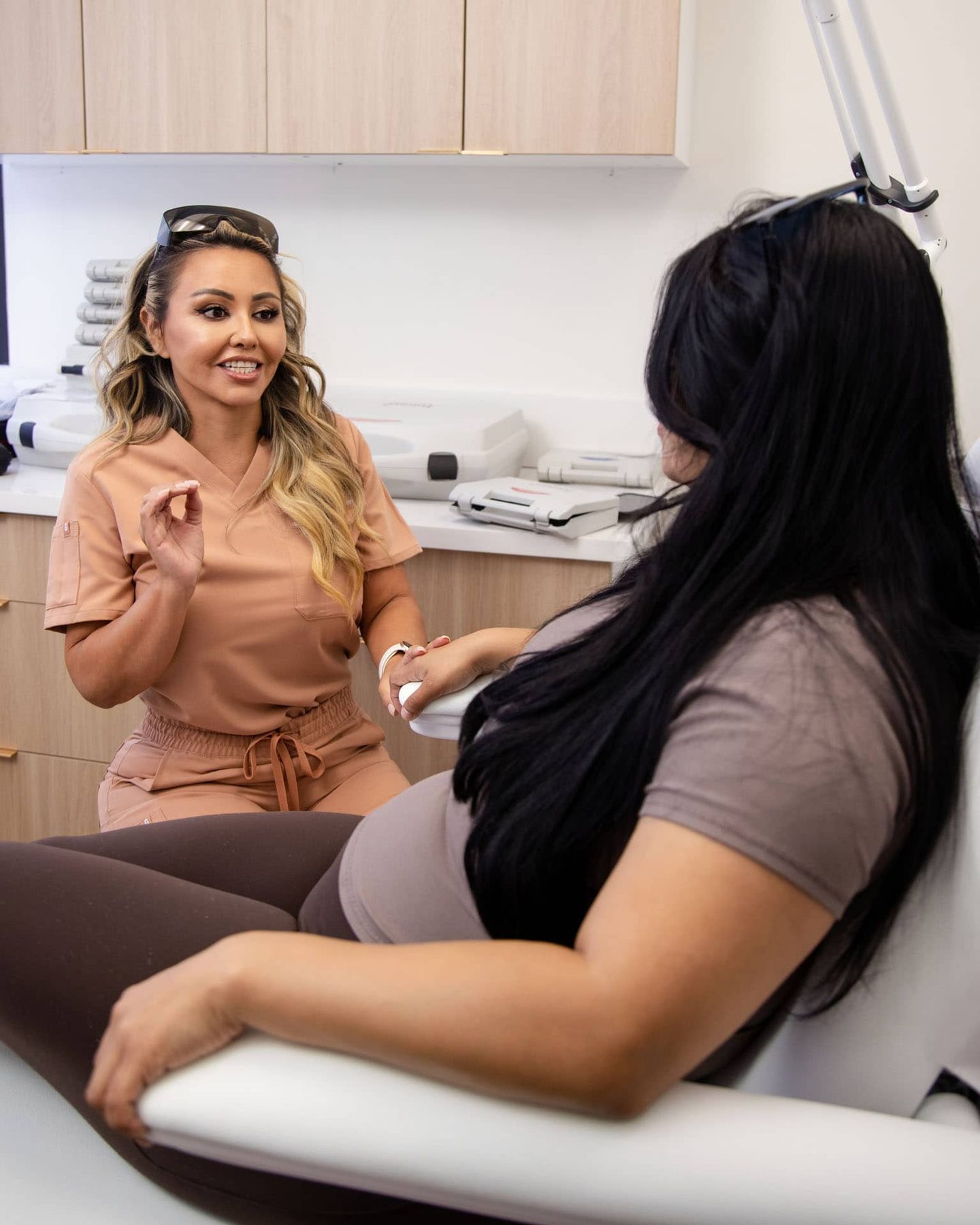
A Fotona 4D Laser Facial (TimeWalker) thoughtful consultation usually covers prior laser history, tendency to pigment, active skincare, recent sun exposure, herpes history if relevant, and the difference between your primary complaint and your secondary complaint. It should also include a conversation about what level of redness and peeling you are actually willing to tolerate, because many patients say they want “maximum results” until they hear what the recovery entails.
If before-and-after photos all look heavily filtered, if risks are glossed over, or if every patient is sold the same package without much discussion, those are not encouraging signs.
Cost, maintenance, and the value question
Prices vary widely by region, provider expertise, and whether the session is a true full Fotona 4D treatment or a lighter branded facial using part of the protocol. In many markets, a single session may fall somewhere in the mid to upper hundreds or more, with package pricing for a series. Premium clinics in major cities may charge substantially higher fees.
Whether that is worth it depends on what you need. If your concerns are broad, mild to moderate, and distributed across texture, tone, and early laxity, the value can be good because the treatment touches multiple issues in one sitting. If you only want a couple of dark spots treated, there may be more efficient ways to spend your budget.
Maintenance is part of the equation too. Skin continues to age, and collagen stimulation is not permanent. Most patients who love the result return periodically, whether every few months or a few times a year depending on age, goals, and budget.
A sensible expectation set
The strongest candidates for Fotona 4D are often people who want believable improvement rather than a dramatic reset. They understand that smoother texture and better tone usually come from a series, not a miracle afternoon. They are willing to follow aftercare, protect their skin from the sun, and pair in-office treatment with a stable home routine.
When those pieces line up, the treatment can be very satisfying. It can soften that tired, uneven quality that creeps into the skin over time and replace it with something firmer, calmer, and more polished. Not frozen, not overfilled, not over-processed. Just better skin quality.
For many patients, that is the whole point.
OMNIA Wellness Center
Address: 16430 Ventura Blvd Ste 207, Encino, CA 91436
Phone: (818) 386-8511
FAQ About Fotona 4D Laser Facial (TimeWalker)
What are the benefits of Fotona laser treatment?
OMNIA offers this treatment for concerns such as uneven texture, dull tone, and fine lines. Results and the number of sessions vary, so discuss your goals with a provider.
Is Fotona laser safe?
A qualified provider should review your skin, medical history, medications, and recent sun exposure to determine whether the treatment is appropriate. Ask about possible irritation, pigment changes, and aftercare before booking.
How much does a Fotona 4D facelift cost?
Price depends on the treatment plan and number of visits. Ask OMNIA for an itemized estimate during your consultation.