Fotona 4D Laser Facial (TimeWalker) for a Youthful Glow
@emiliospwg097
November 20, 2026 · 14 min read
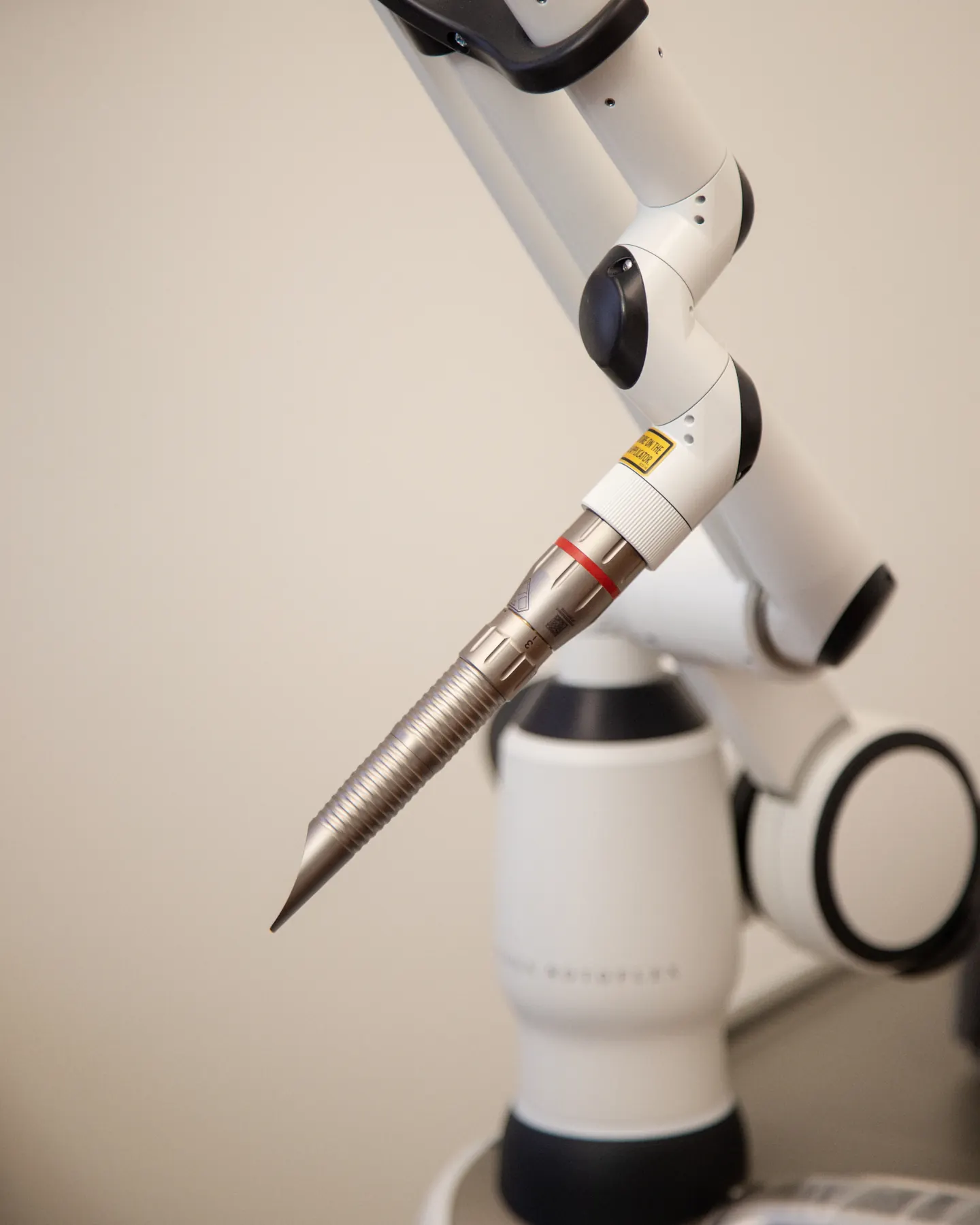
The appeal of non-surgical facial rejuvenation has changed over the last decade. Patients still want smoother skin and a firmer jawline, but they are less interested in treatments that leave them hiding at home for two weeks. That shift is one reason the Fotona 4D Laser Facial (TimeWalker) has earned so much attention. It sits in a useful middle ground: more dynamic than a basic hydrating facial, less disruptive than an aggressive resurfacing procedure, and versatile enough to address aging from both inside and outside the mouth.
That last detail often surprises people. Unlike treatments that work only on the skin surface, Fotona 4D uses a sequence of laser modes designed to target multiple tissue depths. In practice, that means collagen stimulation, textural refinement, some tightening, and a brighter overall look, all within one treatment protocol. When performed well, it can create the kind of improvement people describe as looking rested, fresher, or subtly lifted, rather than looking obviously “done.”
The treatment is often associated with the TimeWalker platform, which combines several laser modalities into a structured anti-aging approach. Branding aside, what matters most is how the treatment is planned, who is performing it, and whether the patient’s skin concerns match what the technology can realistically deliver.
What the Fotona 4D treatment actually is
Fotona 4D is not a single laser pass. It is a layered treatment that typically combines four complementary steps using Er:YAG and Nd:YAG laser wavelengths. Each step has a different job. One phase targets the inside of the cheeks to create contraction and collagen remodeling in the oral mucosa. Another step addresses deeper tissue support. A more superficial phase improves skin texture and tone, and a final polishing stage refines the surface for that smoother, more luminous finish.
This multi-level approach is the reason the treatment feels more sophisticated than the name “laser facial” suggests. A conventional facial, even an excellent one, mainly works at the level of cleansing, exfoliation, hydration, and temporary plumping. Fotona 4D aims to change tissue behavior over time, especially through collagen remodeling. The immediate post-treatment glow is real, but the longer-term value comes from gradual structural improvement.
In clinic, the treatment often focuses on areas where early aging tends to show first: nasolabial folds, perioral lines, cheeks, lower face, and the jawline. Some practitioners also treat the neck, though the exact settings and expected results will vary.
Why the TimeWalker concept stands out
A lot of aesthetic devices promise rejuvenation, but many are strong in one lane only. One laser may be ideal for pigment, another for redness, another for resurfacing, and another for tightening. The TimeWalker approach is attractive because it attempts to bridge several concerns in one session without defaulting to maximal downtime.
That matters in real practice. Many patients in their late thirties to early sixties are not looking for dramatic correction in a single shot. They want a treatment that improves skin quality, supports firmness, softens lines, and fits into a normal work and social schedule. For that group, the Fotona 4D Laser Facial (TimeWalker) often makes sense, especially when their main complaint is “I look tired and my face feels less defined,” rather than “I need severe wrinkles removed.”
The treatment also tends to suit people who are not ready for injectables, or who want a device-based option to complement injectables rather than replace them. That distinction is important. Laser tightening and collagen stimulation can improve skin and soft tissue quality, but they do not create volume the way filler does, and they do not relax muscular movement the way botulinum toxin does. Good outcomes depend on understanding those limits before treatment begins.
How the four dimensions work on the face
Different clinics may explain the protocol in slightly different language, but the general structure is consistent. The first stage often involves an intraoral Er:YAG treatment, sometimes called Smooth mode. The laser is delivered inside the mouth along the cheeks and around the lips. This sounds unusual the first time you hear it, but the logic is straightforward. By heating tissue from the mucosal side, the provider can stimulate collagen contraction in an area that supports the lower and mid face without breaking the skin surface.
The second dimension commonly uses Nd:YAG energy to target deeper tissue. This stage is designed to create controlled bulk heating and stimulate remodeling in areas where mild tightening is desired. Patients often describe this portion as warm rather than painful, especially when performed with proper technique and cooling intervals.
The third stage shifts attention closer to the skin surface. Here, the goal is usually to improve uneven texture, enlarged pores, and fine lines. Depending on the exact settings, this can look like a light resurfacing phase rather than a dramatic peel. The provider’s judgment matters a great deal at this point. Aggressive settings can increase downtime and risk, while conservative settings may be better for someone who wants cumulative change with minimal disruption.
The final polishing phase typically refines the epidermal surface to enhance brightness and smoothness. This is where patients often notice the immediate “glow” effect in the days after treatment. The combination of all four stages is what gives the treatment its reputation for delivering both instant radiance and delayed tightening.
What results usually look like
The best Fotona 4D outcomes are believable. Skin looks more refreshed, pores may appear tighter, the lower face can look a bit more supported, and fine lines around the mouth often soften. Makeup tends to sit better. In photographs, the face may reflect light more evenly, which is one of the most underrated signs of rejuvenation.
Results are rarely dramatic after one session, especially in patients with moderate to advanced laxity. A person with mild early sagging and crepey texture may see a noticeable improvement after a course of treatments. Someone with heavier jowling, significant skin redundancy, or deep static folds may appreciate the skin quality boost but still need to consider other options if lifting is the main goal.
Clinically, this is where honest counseling separates strong practices from sales-driven ones. A patient in her early forties with mild lower-face softness may be thrilled with Fotona 4D because the improvement matches her baseline needs. A patient in his sixties with substantial laxity may enjoy the smoother skin but feel underwhelmed if he expected a surgical-level lift. The treatment is effective within its lane, but it is not magic.
The treatment experience, from consultation to recovery
A proper consultation should cover skin type, medical history, history of pigment issues, active acne or rosacea, recent sun exposure, cold sores around the mouth, and any previous energy-based procedures. Photos are helpful, not for marketing, but because patients often forget what they looked like before subtle changes accumulate.
On treatment day, the skin is cleansed thoroughly. Some clinics use topical numbing for portions of the procedure, though not every stage requires it. The intraoral component can feel strange at first, more because of the location than the discomfort. Most patients tolerate it well. The external passes create warmth and a prickling sensation, with stronger heat in certain areas such as the perioral region or jawline.
A full session often takes anywhere from 45 minutes to about 90 minutes, depending on the treatment area and whether the neck is included. Afterward, the skin may look flushed, feel warm, and show mild swelling. That response typically settles within a day or two, though light roughness or dryness can persist a bit longer if superficial resurfacing settings were used.
In real life, most patients can return to normal activities quickly. That said, “no downtime” is a phrase that gets overused in aesthetics. Minimal downtime is more accurate. If you have a major event the next morning, I would still advise caution. Some people glow immediately. Others look pink and puffy for 24 to 48 hours before the polished effect comes through.
Who tends to be a good candidate
The ideal candidate usually has mild to moderate signs of aging and wants visible improvement without surgery. Early laxity, dullness, enlarged pores, rough texture, and fine lines around the mouth are especially common reasons people seek out this treatment. It is also useful for patients who feel their face has lost vitality even though they do not have one single dramatic issue.
Skin type matters. Not every laser protocol fits every complexion equally, and settings must be adjusted carefully, particularly in patients with higher Fitzpatrick skin types or a history of post-inflammatory hyperpigmentation. A provider experienced in treating diverse skin tones will know when to modify intensity, stage the treatment differently, or suggest another route altogether.
It is also important to screen for lifestyle factors that can blunt results. Smoking, significant dehydration, chronic sun exposure, poor sleep, and untreated rosacea can all limit how good the skin looks afterward. A laser can stimulate change, but it cannot fully override ongoing skin stress.
When another treatment may be better
There are cases where Fotona 4D is a reasonable option, but not the best option. If pigment is the primary issue, such as sunspots or melasma, other devices or topical regimens may be more targeted. If deep acne scars are the main concern, fractional resurfacing or microneedling radiofrequency may produce stronger textural change. If severe laxity is the complaint, surgery remains the gold standard.
This does not diminish the value of the treatment. It simply places it correctly. In aesthetics, disappointment usually comes from mismatch, not from treatment failure. A patient asking for glow, refinement, and subtle firming may be delighted. A patient expecting heavy lifting, full volume restoration, and complete wrinkle erasure from one laser session is set up for frustration.
A thoughtful provider will often combine or sequence treatments. For example, someone may use Fotona 4D for skin quality and collagen support, injectables for volume balance, and a vascular or pigment-focused laser for tone correction. That comprehensive approach often produces the most elegant results because each tool is used for its true strength.
How many sessions are usually needed
This is one of the most common questions in clinic, and the honest answer is that it depends on age, baseline skin condition, treatment intensity, and goals. Many patients are advised to start with a series of three treatments spaced several weeks apart. Others with milder concerns may choose a single session before an event, then maintain periodically.
Collagen remodeling is gradual. You may notice brightness and smoothness within days, but tightening and textural gains often continue to develop over two to three months. Maintenance is part of the conversation as well. Skin continues to age, and one successful series does not freeze time. Depending on the patient, maintenance may be recommended every six to twelve months.
There is a practical point here that often gets overlooked: consistency generally beats overcorrection. A moderate treatment done regularly by a skilled provider can produce a more natural long-term result than chasing an aggressive one-time transformation.
Safety, side effects, and the questions worth asking
The treatment is generally well tolerated when performed by trained professionals using appropriate settings. Even so, it is still a medical aesthetic procedure, not a spa add-on. Common short-term effects include redness, mild swelling, warmth, dryness, and a sandpapery texture if superficial resurfacing was included. These usually resolve within several days.
Less common risks include prolonged redness, irritation, cold sore reactivation in susceptible patients, and pigment changes, particularly if sun protection is poor or the wrong candidate is treated too aggressively. Burns and scarring are rare, but as with any energy-based treatment, technique matters.
Before booking, a patient should understand a few practical points:
- Who will perform the treatment, and how experienced are they with your skin type?
- Which concerns are most likely to improve, and which are unlikely to change much?
- What settings or treatment intensity are planned, and how much downtime should you realistically expect?
- What pre-treatment and aftercare steps reduce the risk of irritation or pigmentation?
- How many sessions are recommended for your goals, not for a package sale?
Those questions quickly reveal whether the consultation is educational or transactional.
Aftercare makes a visible difference
Post-treatment care is not glamorous, but it matters. For the first several days, skin should be treated gently. That usually means a bland moisturizer, sun protection, and avoidance of harsh acids, retinoids, or abrasive scrubs until the barrier feels fully settled. Heat exposure can also worsen redness, so I usually advise patients to skip intense exercise, saunas, and very hot showers for a short period.
Sun protection is the non-negotiable part. Broad-spectrum sunscreen, diligent reapplication, and some common-sense shade habits protect both the result and the skin itself. It is amazing how often people invest in collagen-stimulating procedures while simultaneously underestimating UV damage. If the goal is a youthful glow, daily sun defense is not optional maintenance. It is part of the treatment.
Hydration helps too, though not in a mystical way. Well-moisturized skin simply looks better, heals more comfortably, and reflects light more evenly. If a patient is prone to irritation, it is often wiser to keep the routine boring for a week than to pile on “active” products too soon.
How it compares with other popular rejuvenation options
Patients often ask whether Fotona 4D is better than microneedling, radiofrequency, chemical peels, or fractional laser resurfacing. Better is usually the wrong frame. The better question is what each treatment does best.
Microneedling is useful for texture and mild scar improvement, and when paired with radiofrequency it can also help with firmness. Chemical peels can brighten skin and improve superficial pigment or roughness. Fractional ablative lasers can produce stronger resurfacing results, but typically with more downtime. Ultrasound and radiofrequency tightening devices aim more specifically at lifting or collagen stimulation, though the visible endpoint can differ from laser polishing.
Fotona 4D is appealing because it blends several goals in one protocol: some tightening, some resurfacing, some refinement, and a relatively manageable recovery. That versatility is its core advantage. Its limitation is the mirror image of that strength. Because it covers several bases, it may not outperform a highly targeted treatment for one severe issue.
The kind of patient who tends to love it
In my experience, the happiest patients are often not the ones chasing dramatic change. They are the ones who notice many small age-related shifts at once: lipstick feathering a bit at the edges, makeup settling into texture, cheeks looking less lively in overhead light, or the jawline appearing softer in photos. They want to look like themselves on a very good day.
One patient described her result perfectly a few weeks after a treatment series. She said, “Nothing looks different enough for someone to ask what I had done, but every picture of me looks better.” That is Fotona 4D Laser Facial (TimeWalker) the sweet spot for this kind of procedure. It respects facial identity while improving skin behavior.
Setting expectations for a youthful glow
The phrase “youthful glow” can mean almost anything in marketing, so it helps to define it clinically. A youthful look is not just the absence of wrinkles. It is smoother texture, more even light reflection, better hydration appearance, finer pores, and a certain spring in the skin that comes from collagen integrity. The Fotona 4D Laser Facial (TimeWalker) can support many of those qualities, particularly when the skin still has reasonable regenerative capacity.
Age is not the only factor. A healthy fifty-five-year-old with good skincare habits may respond beautifully, while a stressed, sun-damaged forty-year-old may need a broader plan. The treatment can be part of an excellent anti-aging strategy, but it works best within a framework that includes skincare, sun protection, and realistic maintenance.
For patients who want a polished, fresher face without committing to surgery or extended downtime, this technology deserves serious consideration. Its best results are subtle enough to look natural and strong enough to be worth the appointment, which is a difficult balance to achieve in aesthetics. When the treatment plan is individualized and expectations are grounded, the payoff is not just glow. It is a face that looks more rested, more even, and more in harmony with how the patient feels inside.
OMNIA Wellness Center
Address: 16430 Ventura Blvd Ste 207, Encino, CA 91436
Phone: (818) 386-8511
FAQ About Fotona 4D Laser Facial (TimeWalker)
What are the benefits of Fotona laser treatment?
OMNIA offers this treatment for concerns such as uneven texture, dull tone, and fine lines. Results and the number of sessions vary, so discuss your goals with a provider.
Is Fotona laser safe?
A qualified provider should review your skin, medical history, medications, and recent sun exposure to determine whether the treatment is appropriate. Ask about possible irritation, pigment changes, and aftercare before booking.
How much does a Fotona 4D facelift cost?
Price depends on the treatment plan and number of visits. Ask OMNIA for an itemized estimate during your consultation.